


A lot of riders land on Armstrong Foils Australia searches with the same question in mind - is this gear actually right for the way I ride, can I afford it, what options should I start with or does it offer enough performance?
These are all important questions for different levels of riders and in this blog we are going to cover these points and more, to help you make the right decision.
Armstrong has built a serious reputation in foiling for premium design, clean compatibility across the range and a ride experience that us and many Australians rate highly, but that still does not mean every Armstrong setup suits every rider.
What makes the brand stand out is not just performance at the top end. It is the way the system has been developed for riders who want to progress without rebuilding their whole quiver every few months. There is super easy beginner foils that make learning to foil easy but then as you progress there is high performance foils for every type of rider. If you are investing in premium gear all this matters. Foiling is technical enough already so we don't want to make it harder with people often guessing which mast, fuse, front wing and board will actually work together. Let's clarify this and make your decision easy.
Why Armstrong Foils Australia gets so much attention
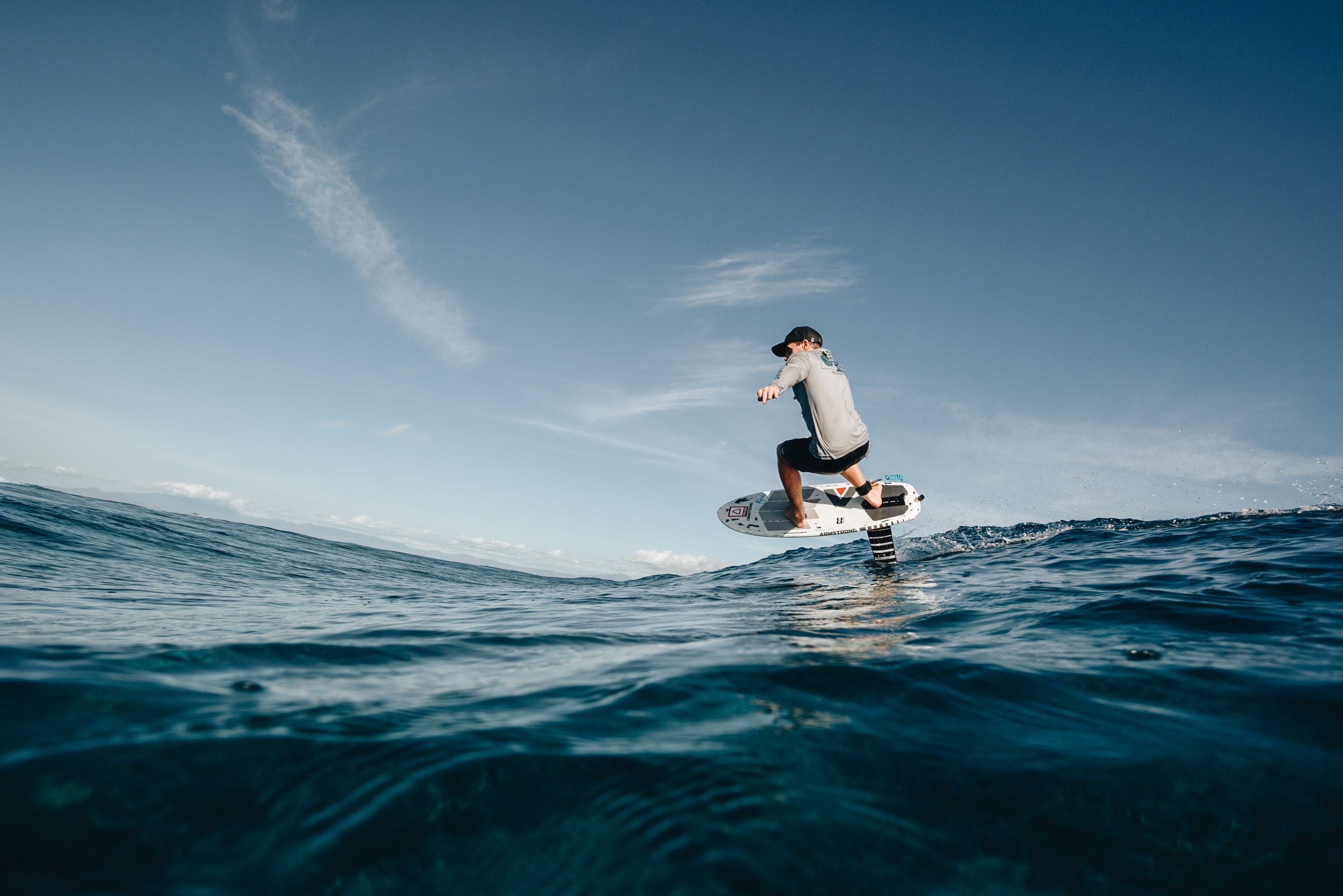
In Australian conditions, versatility counts. We ride everything from wind-blown bay chop to open-ocean runners, punchy beach breaks, inland lakes and clean point setups. Armstrong gear gets attention because it has a reputation for having foils that meet a wide range of conditions, not just in one narrow performance line.
That broad appeal comes down to a few things. The construction is premium, the design language across the range is consistent, and the modularity and easy of use is one of the best. For riders who want one brand ecosystem rather than a mixed bag of parts, that is a big plus. You are not just buying a front wing. You are buying into a platform.
Once there was a trade-off, though. Armstrong had sat firmly in the premium category. For beginners or casual riders, the price was a big hurdle but now the have the S1 foils and alloy range, making it cost effective.
Who Armstrong suits best
Armstrong actually suits all types of riders, from beginner to advanced foiler. Overall though people that it appeals to is those that care about rock solid construction (alloy or carbon - they both last and manage the salt water like no other), feel, progression and long-term setup planning. That includes intermediate wing foilers wanting more speed and control, prone riders chasing efficient pumping and turning, and experienced all-rounders who move between disciplines.
For complete beginners, the answer is still a big yes, as we mentioned they have there S1 gear that makes it so good for beginners now.
That does not mean every Armstrong foil is beginner-friendly and that everyone should start on the beginner foil but in most cases this is the fastest track to progression.
The perfect person for Armstrong foils is a rider who wants to buy well once, build a compatible quiver over time and avoid the usual expensive mistakes. That is where specialist advice matters more than brand hype. Call us anytime on 0412 009 488 or contact us via email now.
Choosing an Armstrong Foils Australia setup by discipline
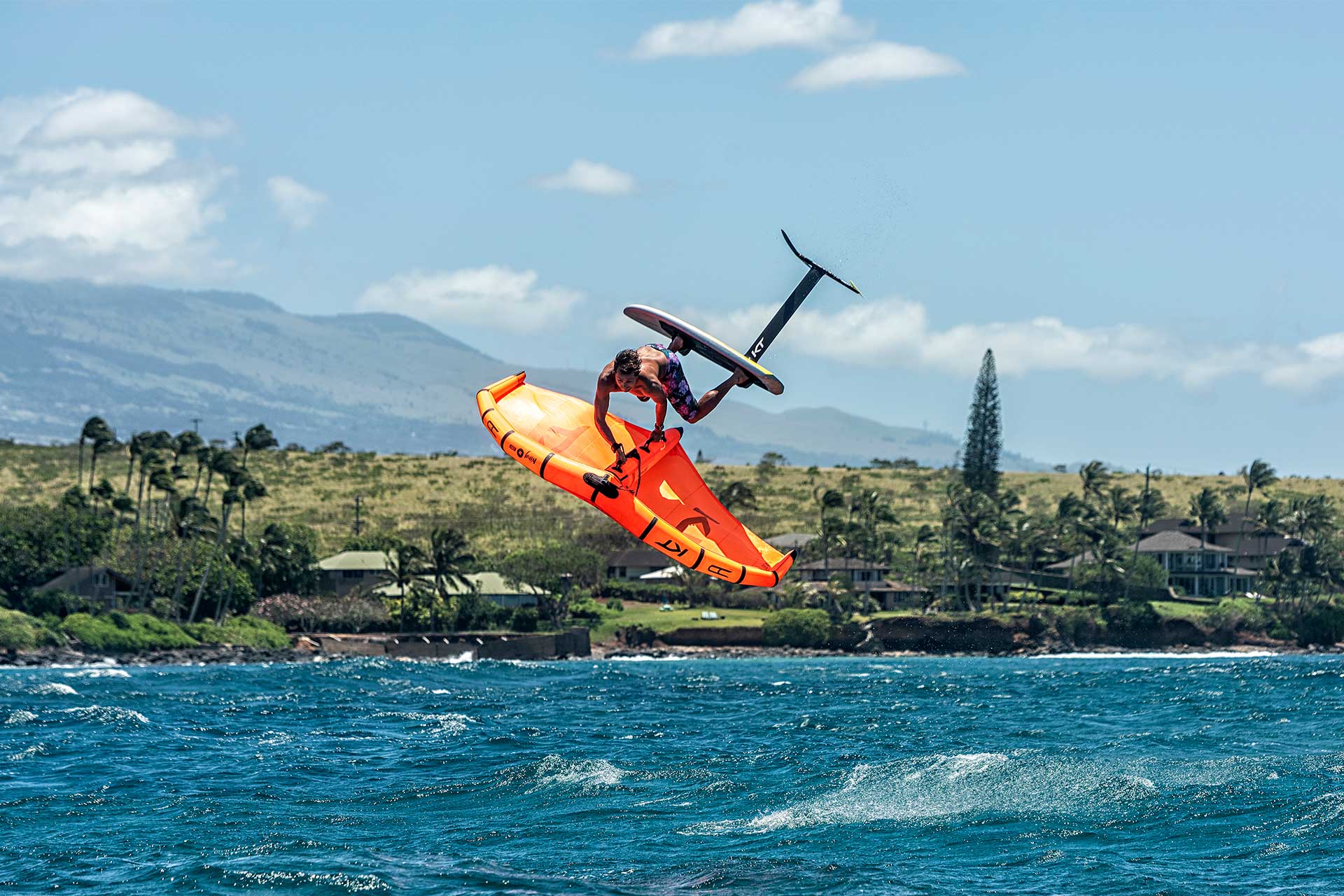
Wing foiling
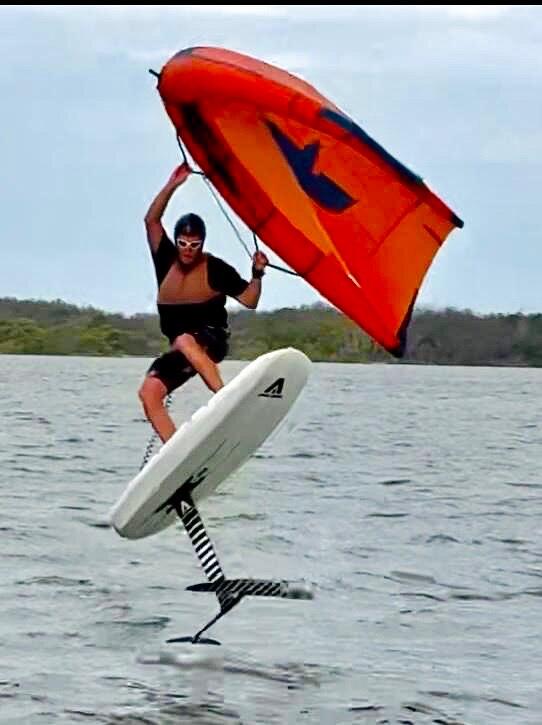
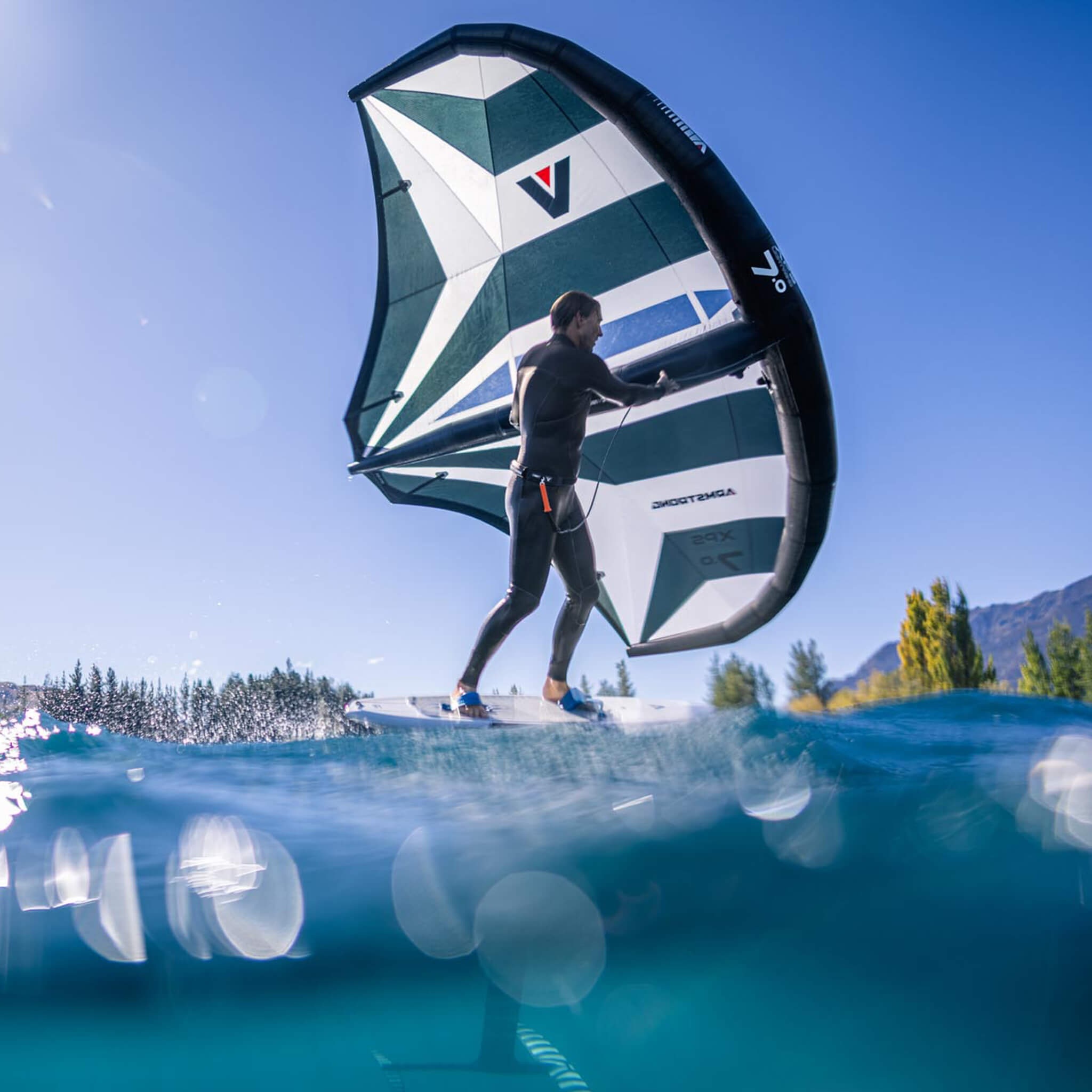
For winging, most riders are trying to balance early lift, control through lulls and enough top-end to keep the setup relevant as skills improve. If you are newer to the sport, a larger front wing paired with a stable board and sensible mast length usually makes more sense than chasing a high-aspect racey feel straight away.
More experienced wing riders often want a setup that pumps efficiently between gusts, holds speed through gybes and stays settled when the water gets messy. Armstrong has options that lean toward glide and efficiency, and others that feel looser and more surfy. Neither is automatically better. It depends whether your local sessions are mostly freeride blasting, downwind-style linking or wave-oriented winging. Often 2-3 foils can help you have something that covers the bases you need. For winging if your not a beginner it's hard to go past a UHA for those open ocean conditions and also the MA's for the wave days that you want to rip hard.
Prone foiling
Prone riders usually care less about static stability and more about paddle-in ease, turning response and pumping efficiency back out. Board volume and foil size matter a lot here, but so does the overall character of the front wing. Some Armstrong setups favour glide and drawn-out arcs, while others are better for tighter direction changes and more reactive surfing. The crowd favorite here is the MA foils.
If you are coming off surfboards and want the closest thing to a lively, connected feel underfoot, your foil choice should reflect that. Bigger is not always better. Too much foil can make the drop feel awkward and the turns feel delayed.
SUP, dock, wake and tow
This is where Armstrong’s system approach really helps. Riders crossing over between SUP foil, wake, tow or dock starts often want components that can be adapted rather than replaced outright. A mast and tail combination that works across more than one discipline can make the premium price easier to justify.
That said, there is no perfect universal setup. A dock-start pumping foil is not going to feel ideal for towing into faster surf, and a wake-oriented setup may not be the easiest thing to learn on behind the boat. Good gear still needs to be matched to the session. In saying that if you are into multiple disciplines then the 795 mast can set you up to do everything on it. Talk to us about your goals and we can marry up the best combo to meet your needs and save you money.
Boards, masts and compatibility matter just as much
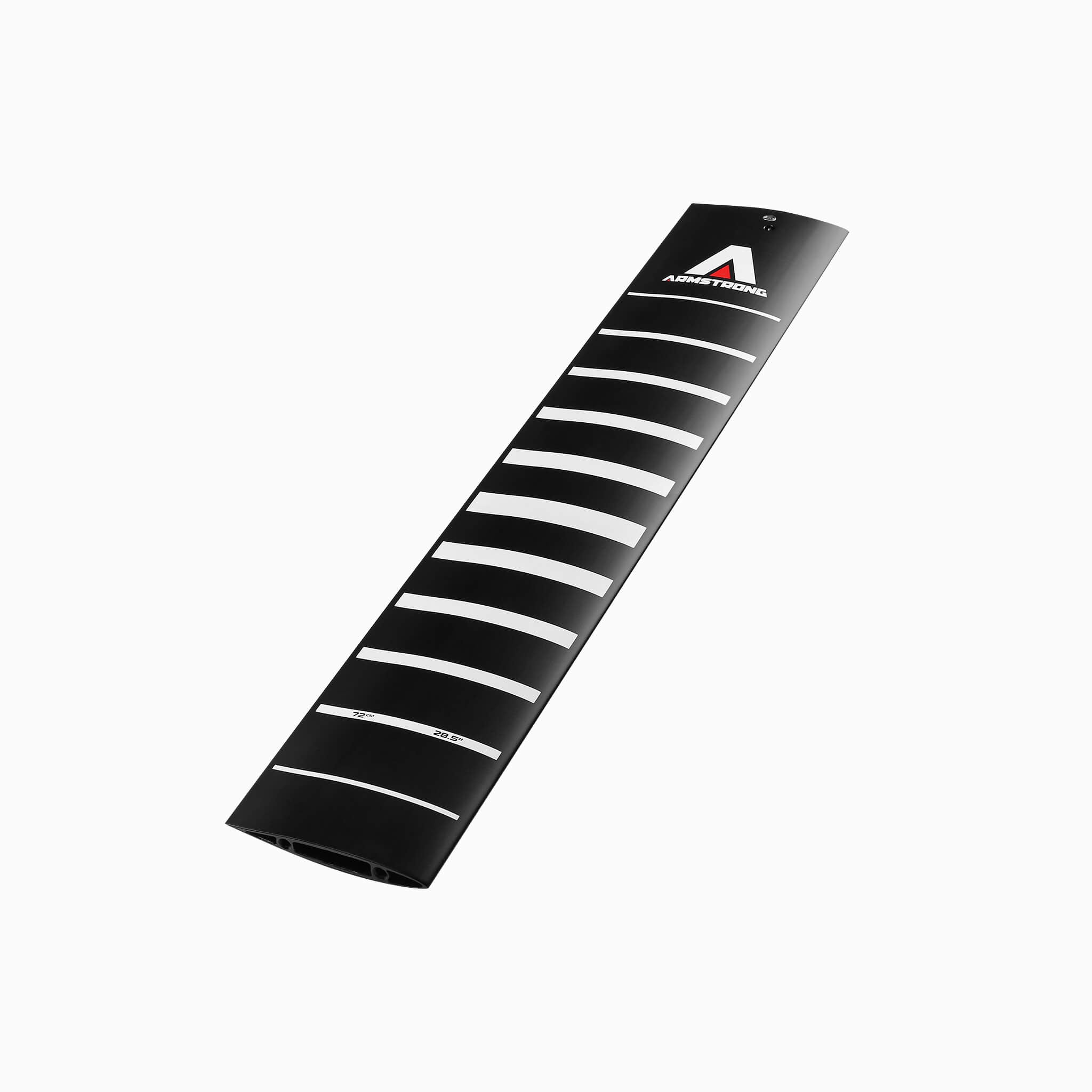
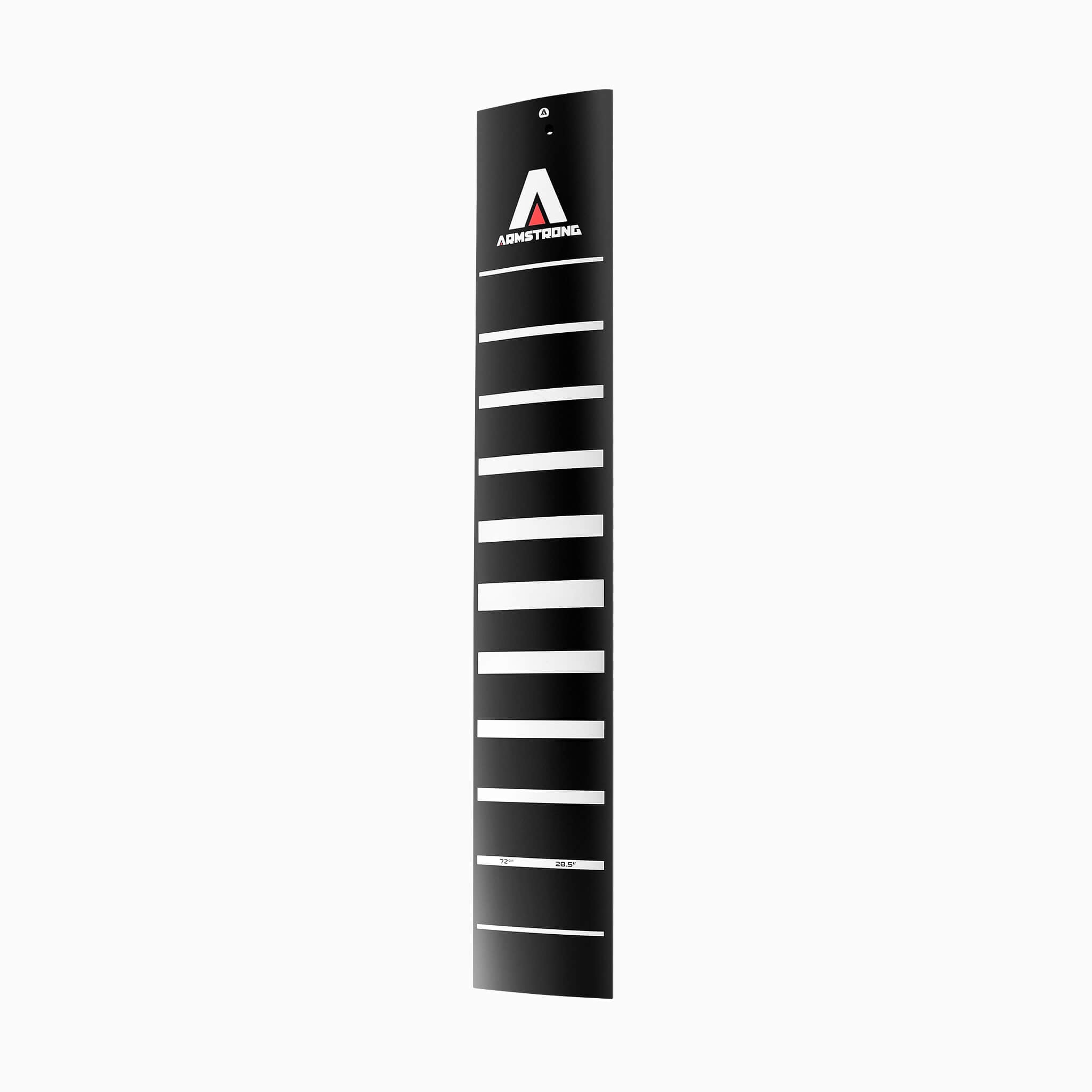
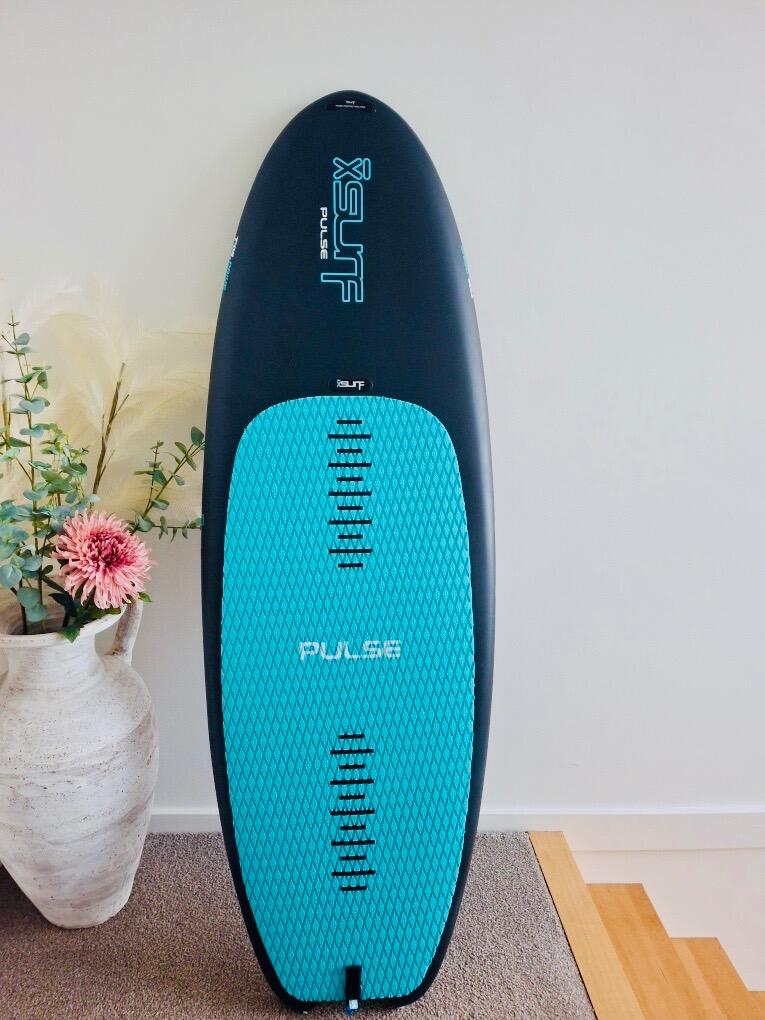
A common mistake is to focus only on the front wing and treat the rest of the setup as secondary. That is how riders end up with expensive gear that feels wrong. The board affects take-off and recovery. The mast changes stiffness, breach tolerance and overall feel. The tail can shift the whole setup from locked-in to lively.
Armstrong’s appeal in Australia is partly about reducing that confusion. The gear is designed as a system, so riders can make changes with more confidence. If you start with a stable wing setup and later want more speed or manoeuvrability, you can often evolve the setup by changing selected components rather than binning the whole lot.
Still, compatibility on paper is not the same as suitability on the water. A 75 kg rider on clean swell in WA may need a very different setup from a 95 kg rider winging gusty chop in Queensland. Weight, ability, discipline and local conditions all shift the answer. So it's always best to talk to us or someone that knows how to match this up for you.
What to expect from the ride feel
One reason Armstrong has such a loyal following is ride feel. Riders often describe it as refined, balanced and confidence-inspiring at speed. That matters when conditions get sketchy or when you are pushing into stronger wind, steeper swell or more technical manoeuvres.
But feel is personal. Some riders want maximum glide and efficiency. Others want looseness and quick roll response. Some want a setup that smooths everything out, while others like a more direct, lively connection. Armstrong does a good job across those categories, so the best choice still comes down to your style.
This is why buying blind can be risky. The internet is full of opinions from riders in completely different conditions, on different body weights, using different boards. Helpful, yes but not a definite guide.
Is Armstrong worth the money?
It is as not only do they offer an entry level product that priced well they have premium masts, so it can be match up to any type of rider and budget. The brand makes sense when you value premium construction, system compatibility and long-term progression. Overall Armstrong Foils is a very good investment that will last you for years, they a bombproof and there support / warranty is exceptional.
If your main goal is simply to get on foil for the lowest possible cost, go the Allo option. Nothing wrong with that. Plenty of riders start with more budget-conscious gear, learn the basics and upgrade later once they know what discipline really grabs them. On the Alloy gear you can still ride all the advanced foils also and rip on this.
The key is being honest about where you are in your foiling journey. Buying top-tier equipment or entry level gear before you understand your own riding can lead to the same disappointment as buying too cheaply and outgrowing the setup too fast.
How to buy Armstrong Foils Australia without getting it wrong
The smartest approach is to work backwards from your riding, not forwards from the catalogue. Start with a discipline. Then think about your level of experience in other water sports, fitness, body weight, local conditions and what you want to improve over the next 6 to 12 months.
If you are mostly winging in variable Aussie conditions, you probably want easy lift and forgiving control before you worry about squeezing out extra top speed. If you are already foiling confidently and want more glide, sharper carving or better pumping, that opens up different options. The right setup is the one that suits your current reality while still leaving room to progress.
This is also where dealing with a specialist helps. A foiling-focused retailer like Stoked on Foiling can help riders sort through the noise, compare Armstrong options properly and avoid mismatched setups that look great in a product description but feel ordinary on the water.
Armstrong Foils Australia is popular for good reason. The gear is premium, the design is thoughtful and the ecosystem makes sense for riders who want confidence in what they are building. Just do yourself a favour and choose with intent and get good professional advice. The best foil setup is not the one everyone talks about - it is the one that gets you out more often, progressing faster, and finishing sessions properly stoked.