

A foil that feels brilliant on a clean, fast run can feel like hard work when the wind drops, the swell turns bumpy or you need to link one more bump. That is why a proper foil aspect comparison matters before you buy a front wing. Aspect ratio shapes how a foil accelerates, turns, glides and recovers - but it is only useful when you match it to the way and places you actually ride.
For Australian foilers, that often means more than choosing between “easy” and “advanced”. A learner winging in choppy bay water, a prone rider chasing point-to-point runners and a wake rider behind the boat need very different things from the same square centimetres of foil area. Get the aspect right and progression feels natural. Get it wrong and even premium gear can feel oddly disconnected.
What a foil aspect comparison actually measures
Aspect ratio is the relationship between a foil wing’s span and its surface area. In simple terms, a lower-aspect front wing is shorter and wider for its size, while a higher-aspect wing is longer and narrower. The formal calculation is span squared divided by area, but you do not need a calculator on the beach. Look at the outline: compact and broad generally means lower aspect; long and narrow generally means higher aspect.
That shape changes the way water flows over the wing. A broader wing produces lift at slower speeds and usually rolls into turns more willingly. A longer, narrower wing tends to carry speed more efficiently and keeps gliding once it is moving. Neither is automatically better. They solve different problems.
Also, do not confuse aspect ratio with wing area. Two 1,000 cm² front wings can have completely different personalities if one is compact and the other has a long span. Area strongly influences low-speed lift. Aspect ratio heavily influences efficiency, turning behaviour and speed range. Profile thickness, camber and construction then add another layer again.
Low, mid and high aspect foils on the water
Low aspect: lift, control and tight turns
Low-aspect foils are the familiar confidence builders for good reason. Their compact span gives them a strong, predictable feel at lower speeds, and they are generally easier to roll from rail to rail. They are a natural fit for early winging sessions, boat foiling, wake riding, playful prone surfing and riders who value carving over covering kilometres.
The trade-off is efficiency. Once you are flying quickly, a lower-aspect wing can feel like it wants to sit in its preferred speed zone rather than continue accelerating. It will generally need more input to pump across dead sections, and its glide between waves is shorter than an efficient high-aspect design. That is not a fault - it is the price of its accessible lift and compact, surfy handling.
Mid aspect: the versatile middle ground
Mid-aspect front wings have become the everyday choice for plenty of progressing riders. They retain enough span to pump and glide well, yet do not demand the same precise pitch control as a dedicated high-aspect wing. For wing foilers who ride mixed conditions, or prone riders who want both carving and connecting, this is often the sweet spot.
A well-designed mid-aspect foil can get up at a reasonable speed, turn without feeling locked onto a long rail and still carry through the flat water between bumps. It is not always the fastest wing in the range or the easiest to learn on, but it can stay relevant for a long time as your skills develop.
High aspect: glide, speed and efficient pumping
High-aspect foils are built around efficiency. Their longer span gives them impressive glide and pumping range, which is why they are so popular for downwind runs, flatwater dock starts, light-wind winging and linking multiple waves on a prone foil. Once a high-aspect wing is on foil, it can feel as though it just wants to keep travelling.
That efficiency comes with demands. Longer wings can be less forgiving during tight turns, more sensitive to pitch mistakes and easier to clip a tip in steep or turbulent water. They may also require more board speed or cleaner technique to launch, depending on their size and profile. A high-aspect foil does not turn every rider into a downwinder overnight. It rewards the rider who can maintain speed, manage height and make deliberate inputs.
Foil aspect comparison by discipline
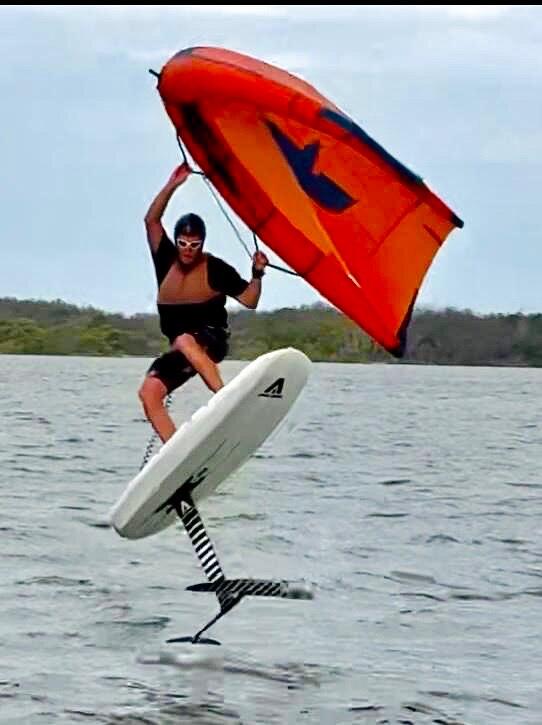
For wing foiling, start with the conditions rather than the trend. If your local is often gusty, choppy or light on wind, a mid-aspect foil with enough area can make getting up and staying up far less stressful. Riders focused on powered carving and jumping may prefer a more compact, surf-oriented wing. If your goal is efficient cruising, light-wind sessions or downwind progression, moving towards higher aspect makes sense once your take-offs and touchdowns are under control.
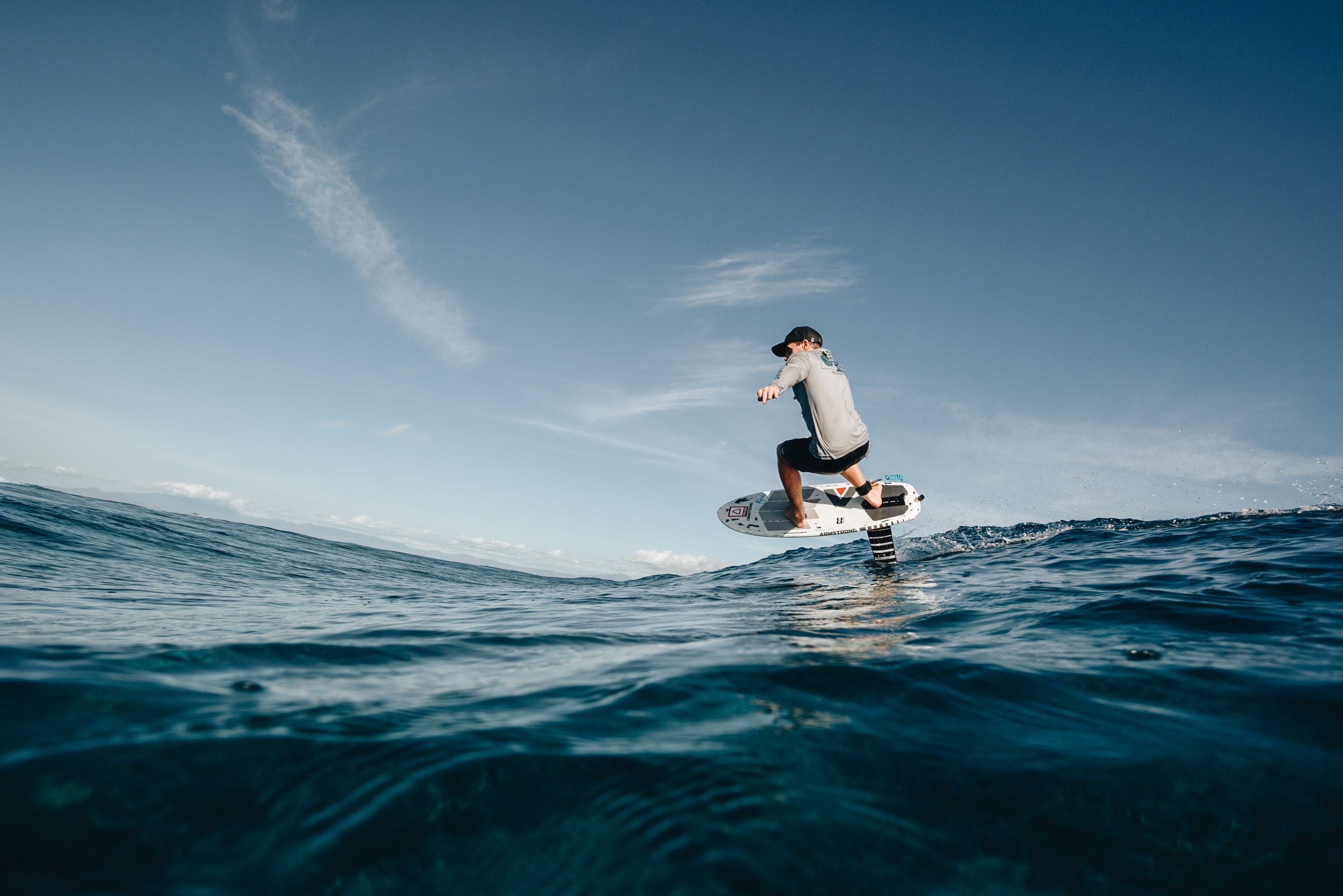
For prone foiling, low and mid aspect remain seriously fun. A compact foil fits tighter pockets and makes quick direction changes feel intuitive. But if you are chasing longer runners, connecting sections and reducing the number of pumps needed to get back out, a higher-aspect platform changes the equation. The right choice depends on the waves too. A punchy beach break calls for a different feel than rolling outer-bank swell.
SUP foilers often benefit from the early lift and stability of a moderate or mid-aspect foil, especially when paddle power and board volume are part of the take-off equation. As paddle-in technique improves, a higher-aspect wing can open up longer rides and better connection opportunities. Bigger is not automatically easier here. An oversized wing can lift early but become hard to manage once the wave steepens.
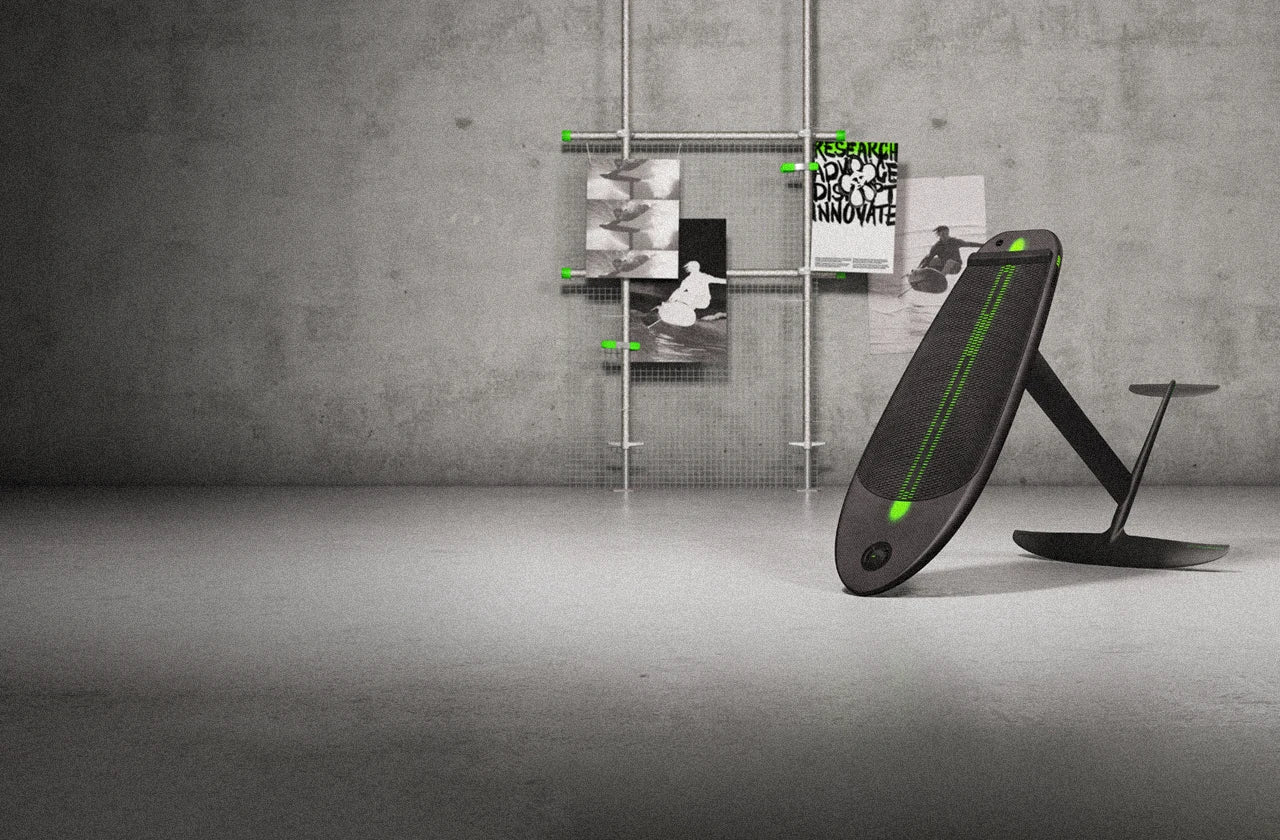
Wake, tow and e-foil-assist riders have the benefit of reliable power, so they can choose based more on the ride they want. Compact wings offer a loose, carvy feel behind the boat. High-aspect wings create long, efficient glides after the rope is dropped or power assistance is reduced. For towing into faster waves, a smaller, faster foil is usually more suitable than a large, high-lift learner wing.
Why aspect ratio numbers are not the whole story
Comparing aspect ratios across brands is helpful, but it is not a complete buying method. Brands may measure area differently, and a wing’s profile can alter its character dramatically. A thick 1,000 cm² high-aspect foil may launch earlier than you expect, while a thin, race-influenced wing with a similar number may need much more speed.
Look at span alongside area, not aspect alone. Consider the leading edge shape, wingtip design, thickness and intended discipline. A foil designed for surf progression may have a similar aspect ratio to a freeride foil but turn, breach and recover very differently.
Construction matters as well. A stiff carbon front wing and mast transmit a more immediate response, particularly when pumping or loading through turns. A flexible set-up can feel softer and more forgiving, but it may lose some precision at speed. The foil is a system, not a single number on a product page.
Your stabiliser, mast and board still matter
Front-wing aspect ratio gets the attention, yet the rest of the set-up decides whether that potential reaches the water. A smaller or lower-lift stabiliser can free up speed and turning, while a larger stabiliser can add pitch stability for learners or bigger front wings. Moving the stabiliser position, where adjustment is available, also changes the balance.
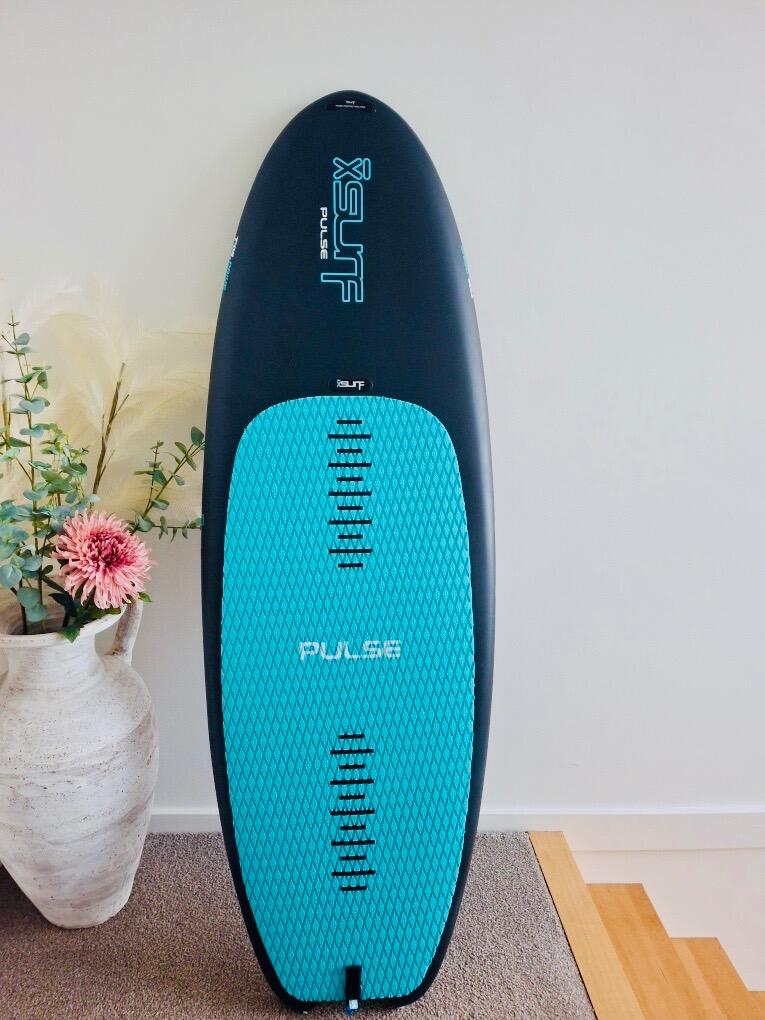
Mast length affects confidence and available lean angle. A shorter mast is often friendlier when learning, in shallow water or behind a boat. A longer mast gives more room to manage height through chop and carving, but asks more of your balance. Board length, volume and tail shape influence how easily you get the foil moving in the first place.
This is why copying another rider’s front wing alone can lead to a disappointing result. Their body weight, board, mast, stabiliser, discipline and local conditions may be completely different from yours.
Choosing the right direction for your next foil
If you are learning, prioritise manageable lift, stable pitch and a foil that lets you make mistakes without ending every run. That usually points towards a lower or moderate aspect design in the right area for your weight and discipline. If you can already ride comfortably and want more range, better pumping and longer glides, mid aspect is an excellent place to look.
Go high aspect with a clear reason: longer downwind connections, efficient light-wind riding, dock starts, flatwater pumping or fast, drawn-out glides. Be honest about whether your local conditions and current technique will let you use that efficiency. The most impressive wing on paper is not always the one that puts the biggest grin on your face.
At Stoked on Foiling, the best conversations start with where you ride, what you ride now and the feeling you want from your next session. Choose the foil that suits those answers, then spend less time second-guessing gear and more time chasing that next clean connection.