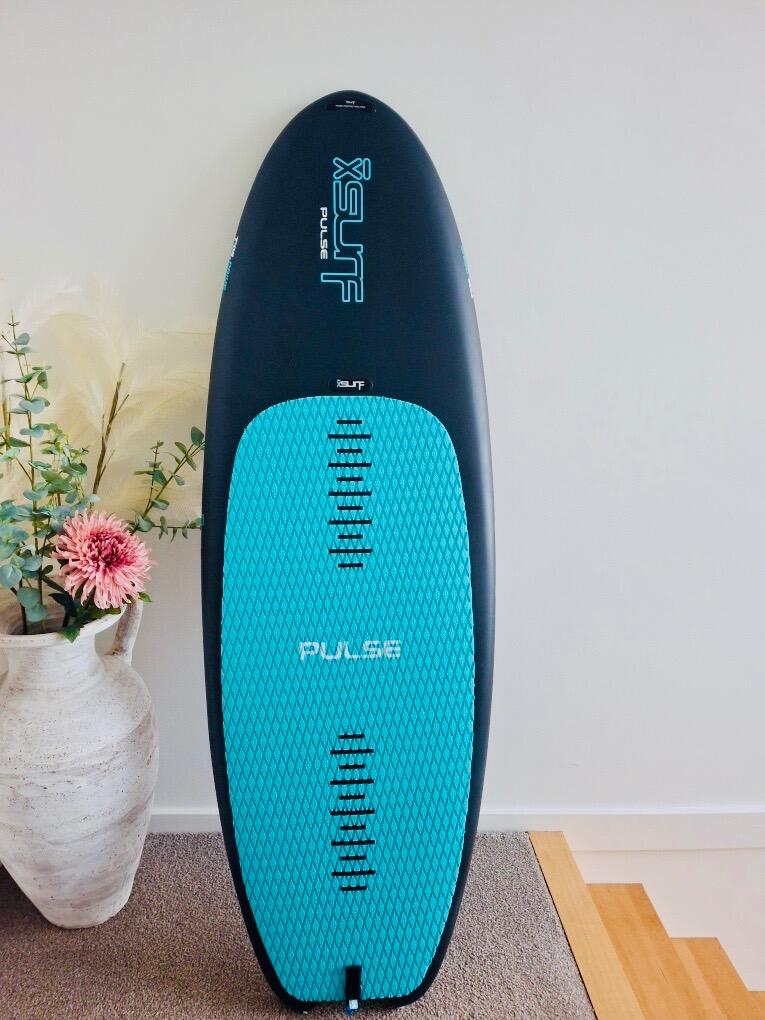



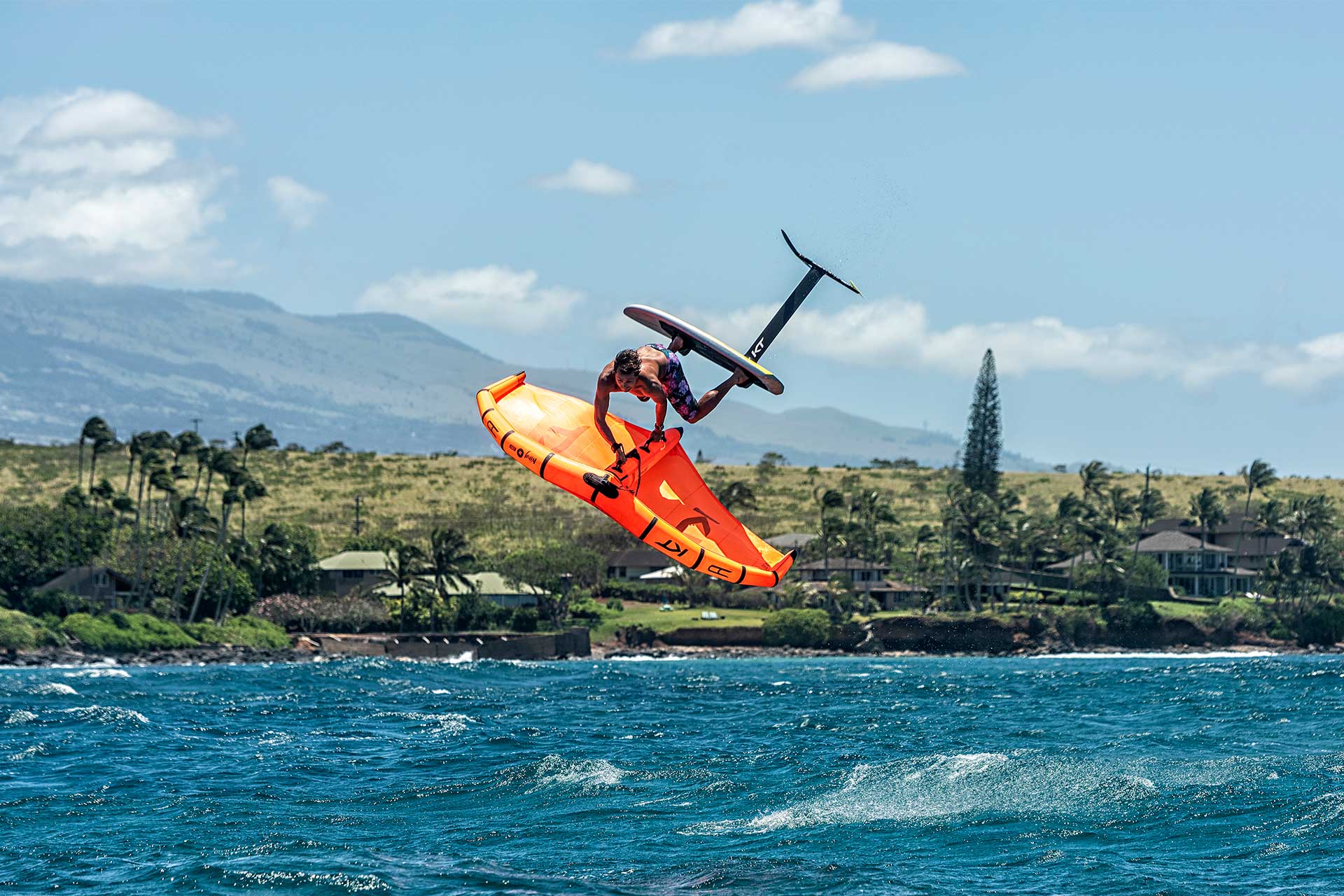
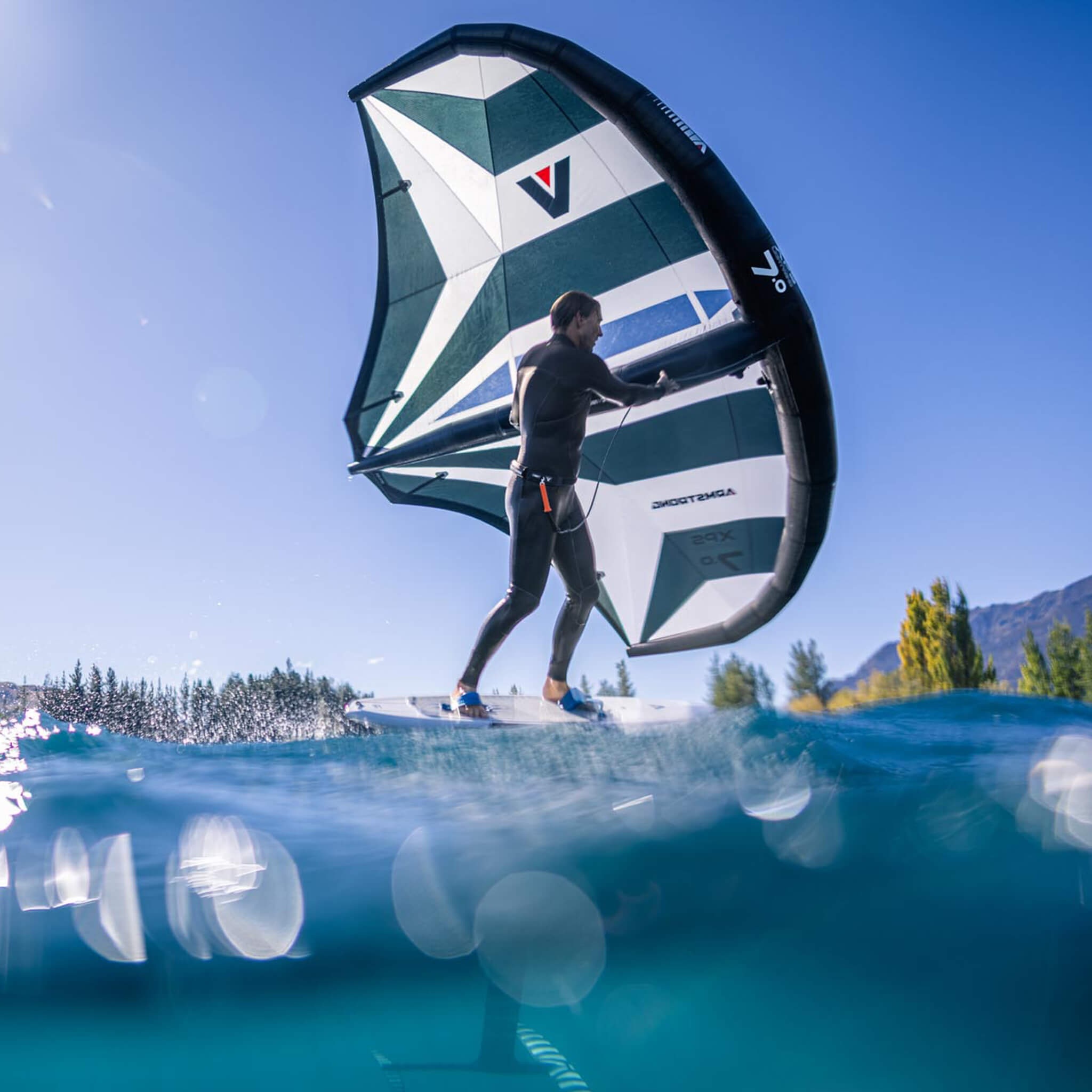
A cracked rail after a flight, a dinged tail from the back of the ute, or a mast plate punching through your board bag can ruin a trip before the wind even fills in. Foilboard travel bags are not just a nice-to-have for riders who travel with premium gear. They are the layer between a carefully chosen setup and the hard reality of baggage handlers, car parks, roof racks and packed boats.
The right bag depends on how you travel and what you ride. A compact wing board with a removable foil needs something very different from a big downwind board, a prone foilboard or an e-foil setup. Buy for your actual gear, not just the board volume printed on the label.
Why foilboard travel bags matter
Foilboards are brilliantly light because they are built for performance, but lightweight carbon construction is not designed to absorb repeated impacts. The vulnerable areas are familiar: rails, nose, tail, vent, handles and the area around the foil tracks. Add a foil, hardware, wing, pump and wetsuit to the equation, and a simple board cover quickly becomes a crowded piece of luggage.
Travel bags also protect your investment between sessions. If your gear lives in the garage, gets loaded into the car three times a week or rides on a roof rack for a weekend mission, UV exposure, grit and rubbing can slowly wear through board paint and pads. A well-fitted bag keeps the expensive bits protected while making the whole setup easier to carry.
There is a trade-off, of course. More padding means more weight and bulk. For a quick run to the local, a light day bag may be all you need. For domestic flights, international travel or a long drive with boards stacked in the back, more structure and protection is worth every extra kilogram.
Choose a bag for the way you travel
Daily cover, road-trip bag or flight bag?
A daily cover is generally lighter, slimmer and easy to manage. It is ideal for keeping the board protected in the car, on the roof or in storage, especially when you are loading up after a salty session. Look for enough padding to stop rail rash and enough durability around the nose and tail to handle regular use.
A road-trip bag sits in the middle. It needs more padding, tougher fabric and strong carry handles because it will get dragged across driveways, loaded into accommodation and shuffled around alongside other gear. If you are travelling with mates, consider how it will cope under other boards, wing bags and camping equipment.
A flight bag needs serious impact management. Thick closed-cell foam, reinforced panels, durable zips and tough base fabric matter more here than a sleek profile. The bag should give your board some breathing room for extra rail protection, cardboard sheets or clothing, without becoming so oversized that the board slides around inside.
For riders who fly regularly, a wheeled bag can save your shoulders through terminals and car parks. Wheels do add weight and can be another point of failure, so choose quality hardware and a handle system that does not flex under a loaded bag.
Measure more than length
Do not choose by board length alone. Measure the board's full length, maximum width and thickness, then allow room for the bag's padding. A board that technically fits can still be hard to zip, put pressure on the rails and leave no room for a protective layer.
Pay close attention to the tail shape. Wide-tailed wing boards and downwind boards often need a bag with a generous cut, while narrow prone boards may rattle around in a bag designed for a much fuller outline. A close fit is usually best, but it should never be a fight to load.
If you have footstraps fitted, check whether the bag accommodates them. Removing straps before every trip gets old fast, and forcing them into a slim bag can damage the straps, board deck or zip. The same goes for a board with a Foil Drive or other power-assist gear: its added components and cabling deserve purpose-built space rather than a squeezed-in solution.
What to look for in foilboard travel bags
Padding is the first thing most riders check, and it matters, but the details decide whether a bag works season after season. The best foilboard travel bags use dense padding that absorbs knocks without collapsing, plus reinforcement at the high-impact zones. The nose and tail take a lot of abuse, so inspect these areas closely.
A heat-reflective outer layer is useful for Australian conditions. It can reduce heat build-up when the board is sitting in the sun between sessions, but it is not a licence to leave a board baking on the beach all day. Heat, pressure changes and a closed board bag are not a great combination, particularly for carbon boards.
Good zips are worth paying for. They should be chunky, easy to use with sandy hands and protected by a flap or gusset that reduces water and grit getting in. A broken zip is annoying at home and a complete headache on a travel day. Check the carry handles too. Padded handles positioned near the board's balance point make a loaded bag far easier to move.
Internal tie-down straps can be valuable for flights, particularly on longer boards. They stop the board moving within the bag and prevent the foil-track area from repeatedly contacting another piece of gear. Just do not over-tighten them. The aim is to stop movement, not compress the board.
Can you travel with the foil attached?
For short car trips, some riders leave the foil fitted. It is quick, convenient and means less time with tools in the car park. But it changes what you need from the bag. You will need a foil-specific board bag with enough depth and a well-padded opening around the mast and wing area. A standard board bag will not safely do the job.
For flying, removing the foil is the smarter call. A mast creates leverage, and a front wing or fuselage can cause major damage if the bag is dropped. Pack your foil in a dedicated foil bag, with wing covers on and hardware stored in a labelled pouch. Keep screws, shims and tools together so you are not hunting through holiday luggage for a missing M8 bolt.
If you are carrying a complete wing foil setup, splitting the load across a board bag and a separate foil or wing bag is often more practical than trying to put everything into one monster case. It can also make airline weight limits easier to manage. Every airline treats sporting equipment differently, so check dimensions and fees before you book, not at the airport counter.
Pack a board bag like you expect it to be dropped
That is not pessimism. It is realistic travel planning. Remove the foil and any sharp or hard components from the board. Use board socks, rail tape, foam pipe insulation or folded towels at the nose, tail and rails. Put a firm sheet of cardboard or thin foam over the deck and bottom if the bag has extra room.
Avoid packing heavy foil parts directly against the board, even when they are in covers. A fuselage can become a battering ram if the bag is thrown or lands hard. Put hard gear in a separate compartment where possible, or build a padded divider between it and the board.
Before leaving, lift the packed bag by each handle and give it a gentle shake. If you can feel the board or gear shifting, add padding or secure it better. It takes five minutes at home and may save a repair job in a place where you would rather be checking the forecast.
A few practical checks before buying
Think about where the bag will spend most of its life. A rider living out of a van, carrying gear in a ute or travelling regularly needs hard-wearing fabric and serious handles. Someone storing a board in an apartment and walking it down to the water may prioritise a lighter bag with a comfortable shoulder strap.
Also consider your progression. If you are moving towards smaller, higher-performance wing boards, a huge bag might soon be unnecessary. On the other hand, a rider building a downwind or SUP foil quiver may benefit from a bag with room to pack smartly for trips. Compatibility and protection are more valuable than a bargain that only fits one board awkwardly.
At Stoked on Foiling, the goal is always the same: help you build a setup that works on the water and survives the trip there. Choose the bag that matches your board, your discipline and your travel plans, then pack it with the same care you put into selecting your foil. Every Day's a Foil Day is much better when your gear arrives ready to ride.