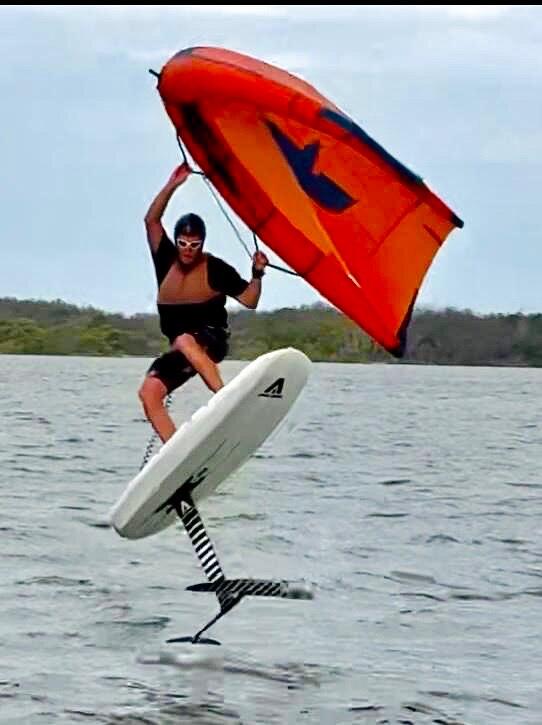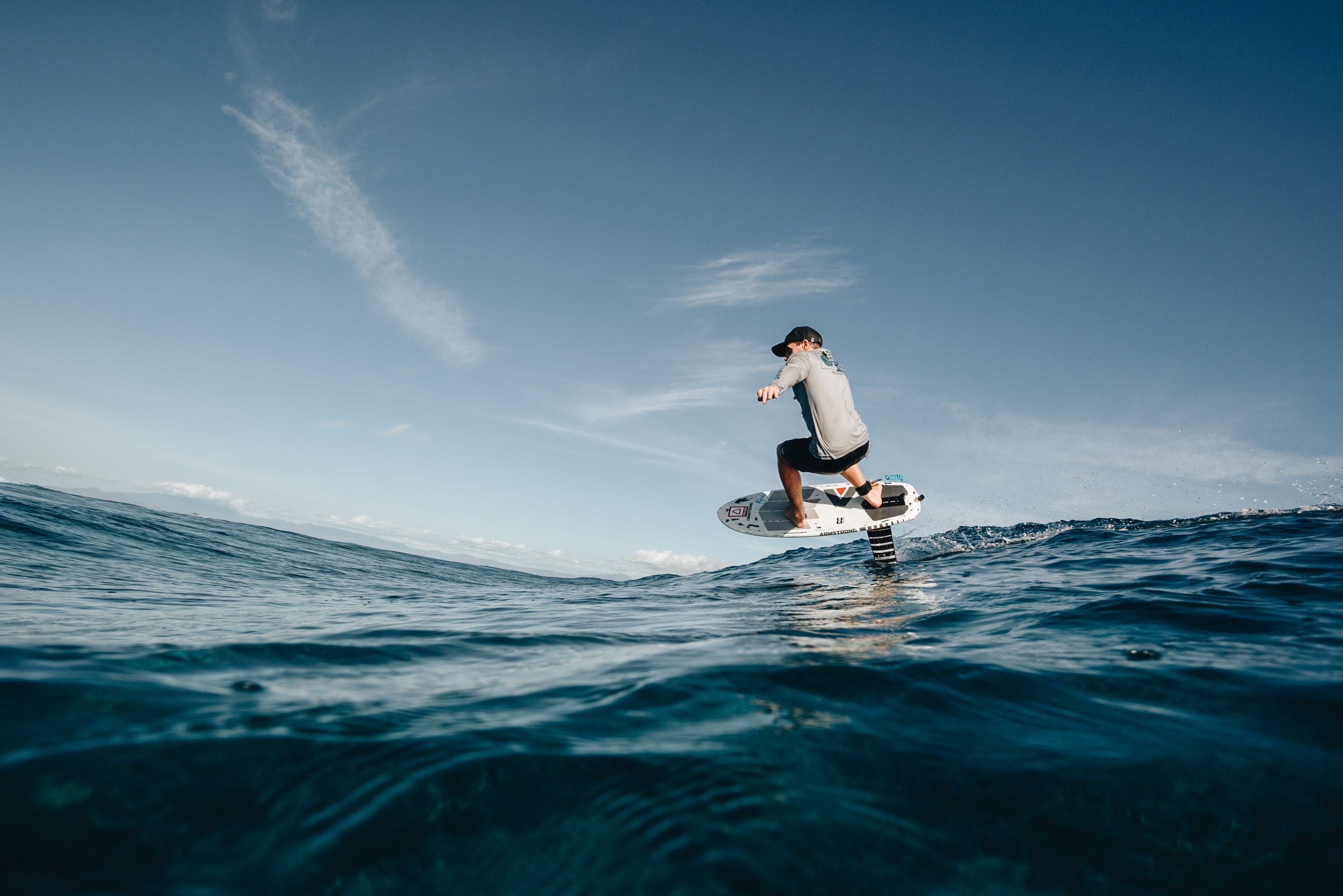



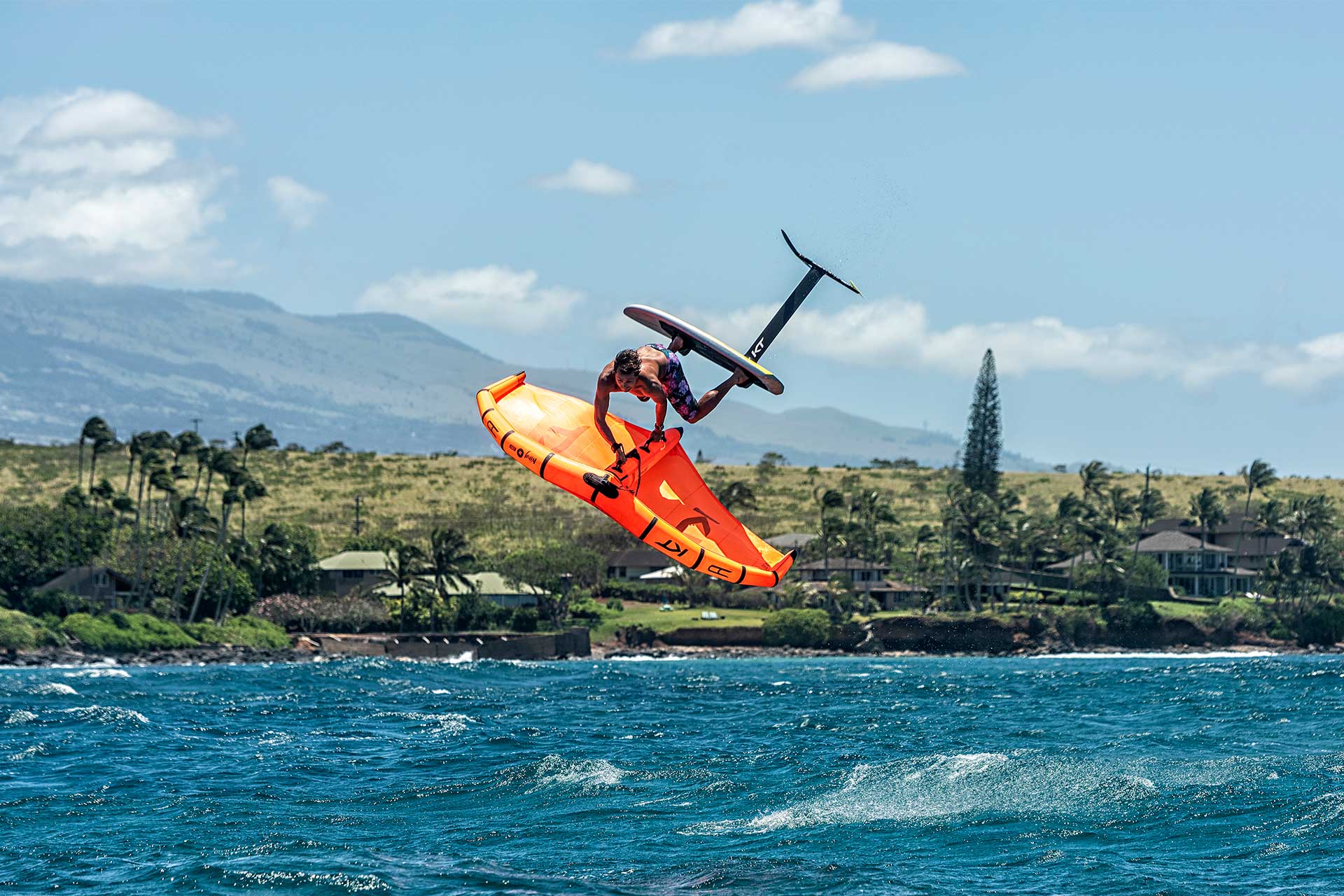
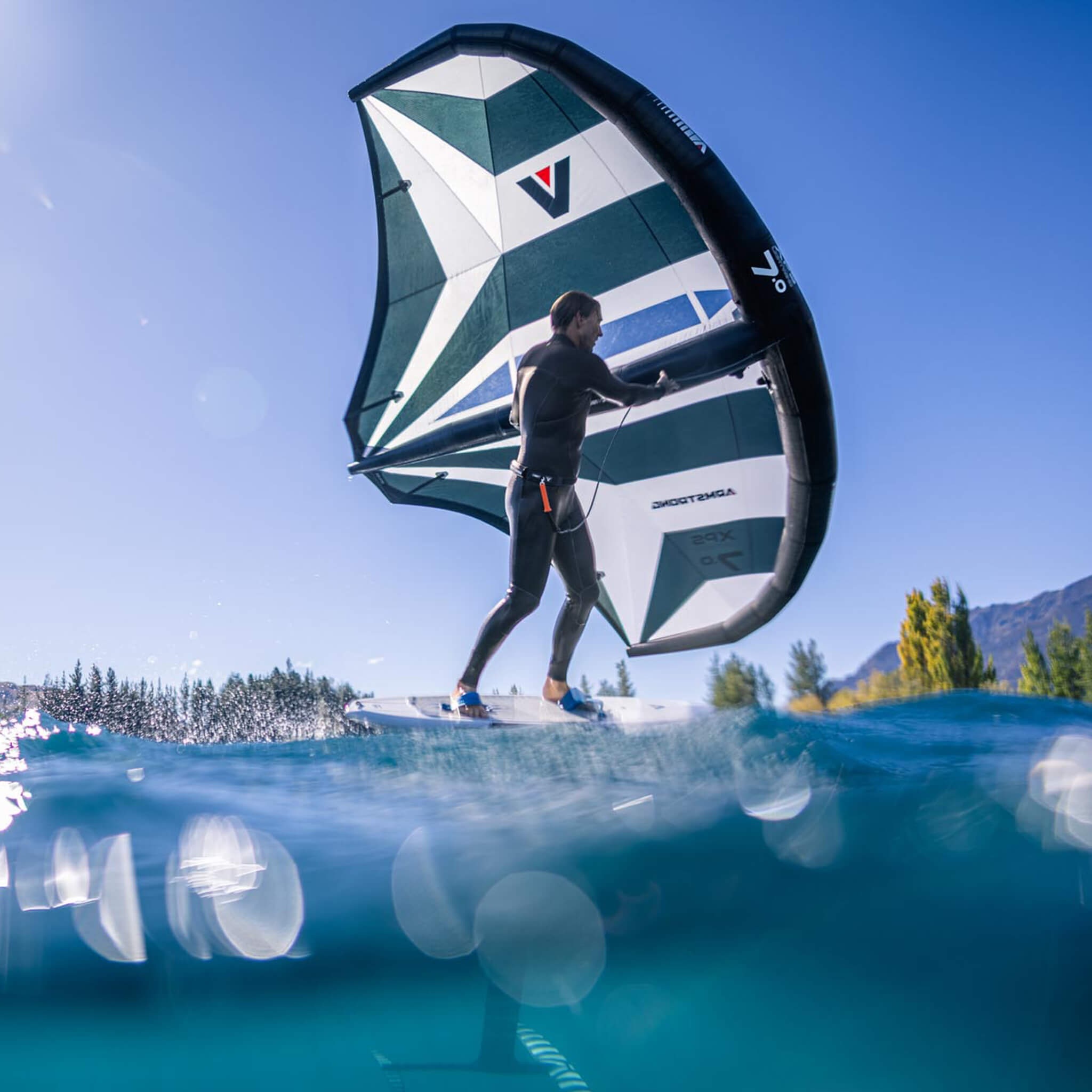
A parawing can turn a long, wind-assisted downwinder from a logistical mission into a session you can launch from your local beach. But working out how to choose parawing gear is not as simple as buying the same size wing you use for wing foiling. A parawing is a launch tool first, with enough power and control to get you flying, then pack away so you can focus on the bumps.
The right choice comes down to your wind range, body weight, foil setup, launch spot and what you want to do once you are up. Get those pieces right and the gear feels remarkably freeing. Get them wrong and you may be fighting an oversized canopy, lacking the power to take off, or carrying more bulk than you need.
Start with the riding you actually want to do
Most riders buy a parawing for one of two reasons: to access downwind runs without relying on a shuttle, or to use wind power to reach offshore bumps, point breaks or long glides. Both uses need a reliable take-off, but they place different demands on the wing.
For coastal downwinders, compact packing and easy depower matter enormously. Once you are foiling, you want to stow the parawing cleanly and let the board and foil handle the rest. A design that relaunches predictably is also valuable when a gust drops out or a launch goes sideways.
For crossing a bay, getting out through surf, or covering distance before packing away, sustained pull and comfortable handling become more relevant. You may prefer a little more canopy area or a design with a more positive feel under load. Neither approach is automatically better. The right one is the one that suits your local conditions and your intended session.
It also pays to be honest about your launch sites. A wide sandy beach with clean side-on wind is very different from a rocky point, narrow bank or gusty river mouth. A compact, manageable parawing is often worth more than maximum power when there is little room for error.
How to choose parawing size
Size is the first decision, but it should never be made from a wind chart alone. Parawing size works alongside your foil efficiency, board volume, rider weight and water state. A rider on a large, high-lift downwind foil can take off with far less power than someone on a smaller, faster foil designed for steep, powerful bumps.
As a broad starting point, lighter riders and efficient foil setups can often use smaller sizes in the same wind. Heavier riders, smaller boards, less efficient foils and choppy water generally call for more area. The aim is not to feel heavily powered once you are flying. The aim is to have enough low-end pull to get foil-borne promptly and safely.
Consider these four variables together before settling on a size:
- Your weight and wetsuit weight: A few kilograms may not change everything, but the gap between a 65 kg rider and a 95 kg rider absolutely affects take-off power.
- Your foil and board: A large, low-stall front wing and a board that releases easily can reduce the parawing size you need.
- Average wind, not the biggest gust: Choose around the wind you will normally launch in. Gusty readings can make a small wing look viable on paper when the lulls say otherwise.
- The water state: Messy wind chop needs more power and better timing than clean rolling swell. A setup that pops up easily in flat water can feel underpowered in real downwind conditions.
Avoid going too large simply because you want guaranteed take-off power. An oversized parawing can be harder to manage while standing, more physical during gusts and bulkier when packed. It may also pull you onto the foil with too much speed or create unnecessary drama near shore. A slightly larger foil is often a smarter answer than an excessively large parawing.
Match the parawing to your foil setup
Parawings reward efficient foiling gear. Unlike wing foiling, where you may keep the wing in your hands all session, the parawing only needs to get you going. That makes your board and foil selection central to the experience.
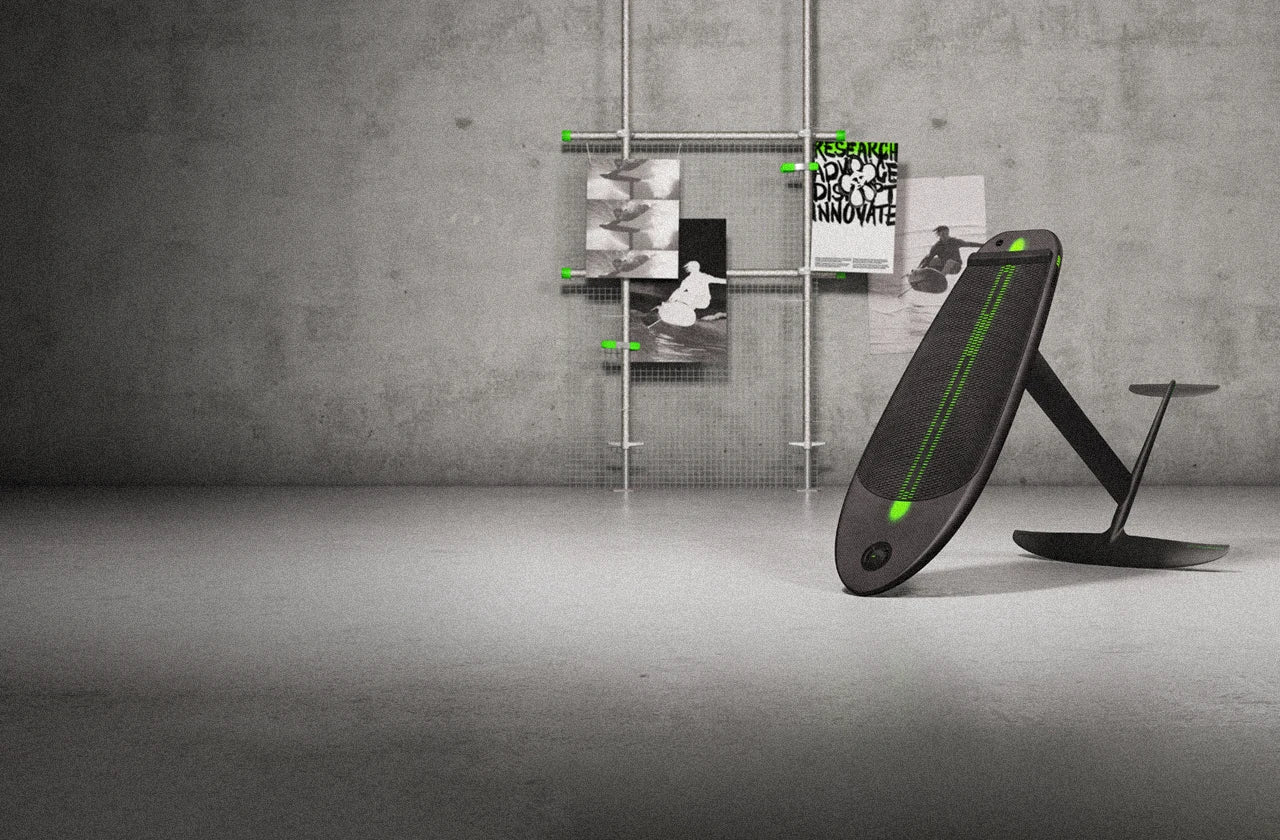
A downwind-focused foil with an early lift point, stable pitch and good glide lets you use a smaller parawing and pack it away sooner. Larger front wings are forgiving for first attempts, particularly in lighter wind or disorganised wind swell. As confidence grows, many riders move towards smaller, faster foils that connect bumps more efficiently, but they usually demand a cleaner take-off and more committed technique.
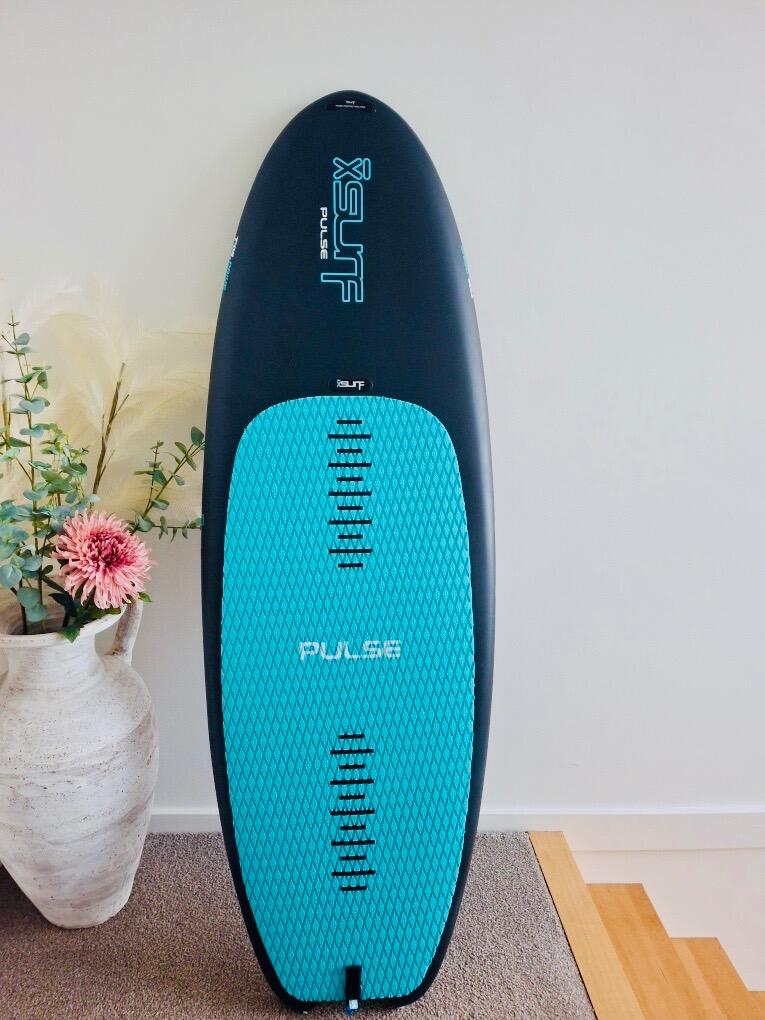
Board volume matters too. Enough volume to stand comfortably, organise the bridle and control the canopy before launch makes learning far less tiring. Tiny sinker boards can be brilliant in skilled hands, but they add another task at the exact moment you are trying to manage wind, lines, foil and water movement.
If you already own a foil setup, choose the parawing around its true take-off ability. If you are building a dedicated downwind package, think of the parawing, board and foil as one system. At Stoked on Foiling, this is where first-hand setup advice can prevent a costly mismatch between a powerful wing and gear that is not suited to early lift.
Look closely at handling, depower and pack-down
Not all parawings feel the same in the hands. The outline, bridle layout, line length, canopy material and control system change how a wing launches, turns, depowers and packs. The details are worth understanding because they affect every part of the session.
A parawing with direct, predictable steering is easier to use in gusty conditions and during your first take-off attempts. You want enough feedback to know where the canopy sits without needing to stare at it constantly. Too twitchy can be tiring; too vague can make it difficult to correct when the wing drifts or surges.
Depower is equally important. When you sheet or release pressure, the wing should settle rather than continue dragging you downwind. This makes standing starts safer and reduces the workload when you are lining up your feet, dealing with chop or waiting for a clean gust. For riders launching in more confined areas, controlled depower is not a luxury feature.
Then there is pack-down. Once on foil, you need to gather the wing and lines without tangles, stow it securely, and keep it away from the foil. Look for a system that feels intuitive rather than clever only in a product video. A compact packed shape, clear line management and a secure stash method can make the difference between a relaxed downwind run and an awkward mid-ocean reset.
Choose controls that suit your experience
Control options vary by model, with handles, bars and different trim arrangements all offering a distinct feel. There is no universal winner.
Handles can provide clear feedback and allow easy hand placement. They suit riders who like a familiar, direct connection to the canopy. A bar can feel more compact and may encourage a simpler control position, especially once you have learned the wing's power range. The best choice depends on what feels natural in your hands and how easily you can manage it while balancing on your board.
For your first parawing, favour predictable operation over the most minimal or race-oriented setup. You are learning a sequence: organise the wing, launch cleanly, generate enough board speed, rise onto foil, depower, pack down and retrieve it if needed. Gear that makes each stage obvious will speed up progression.
Do not treat the leash and safety system as an afterthought
A parawing operates with lines, a foil with sharp edges, and often more distance from shore than a standard wing session. Your safety setup deserves the same attention as canopy size.
Use the manufacturer-approved leash arrangement and practise the release before heading into open water. Know how the wing behaves when released, how you will stop it from reaching your foil, and how you will recover it in wind and chop. Check attachment points, line condition and your pack-down system every session, particularly after a tangle or hard crash.
Also consider your local forecast beyond wind speed. Wind direction, tide, current, water temperature, swell period and a reliable exit plan all matter. A parawing gives you freedom, but it can also carry you a long way from the beach quickly. Start close to shore, choose forgiving conditions and go with a mate when you are learning.
The best parawing is the one that gets you flying without taking over the whole session. Choose enough power for your real-world take-off, pair it with an efficient foil setup, and prioritise handling you trust when the water is moving. A few well-chosen sessions in manageable conditions will teach you more than chasing the windiest forecast, and soon every decent breeze will look like another reason to get stoked.