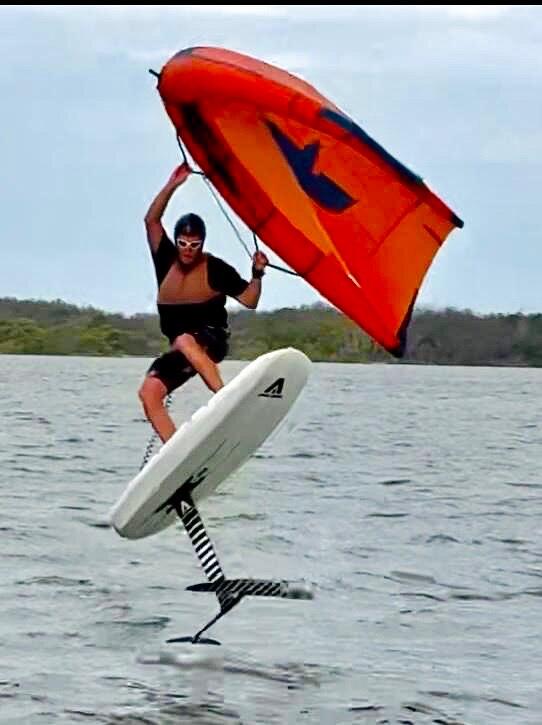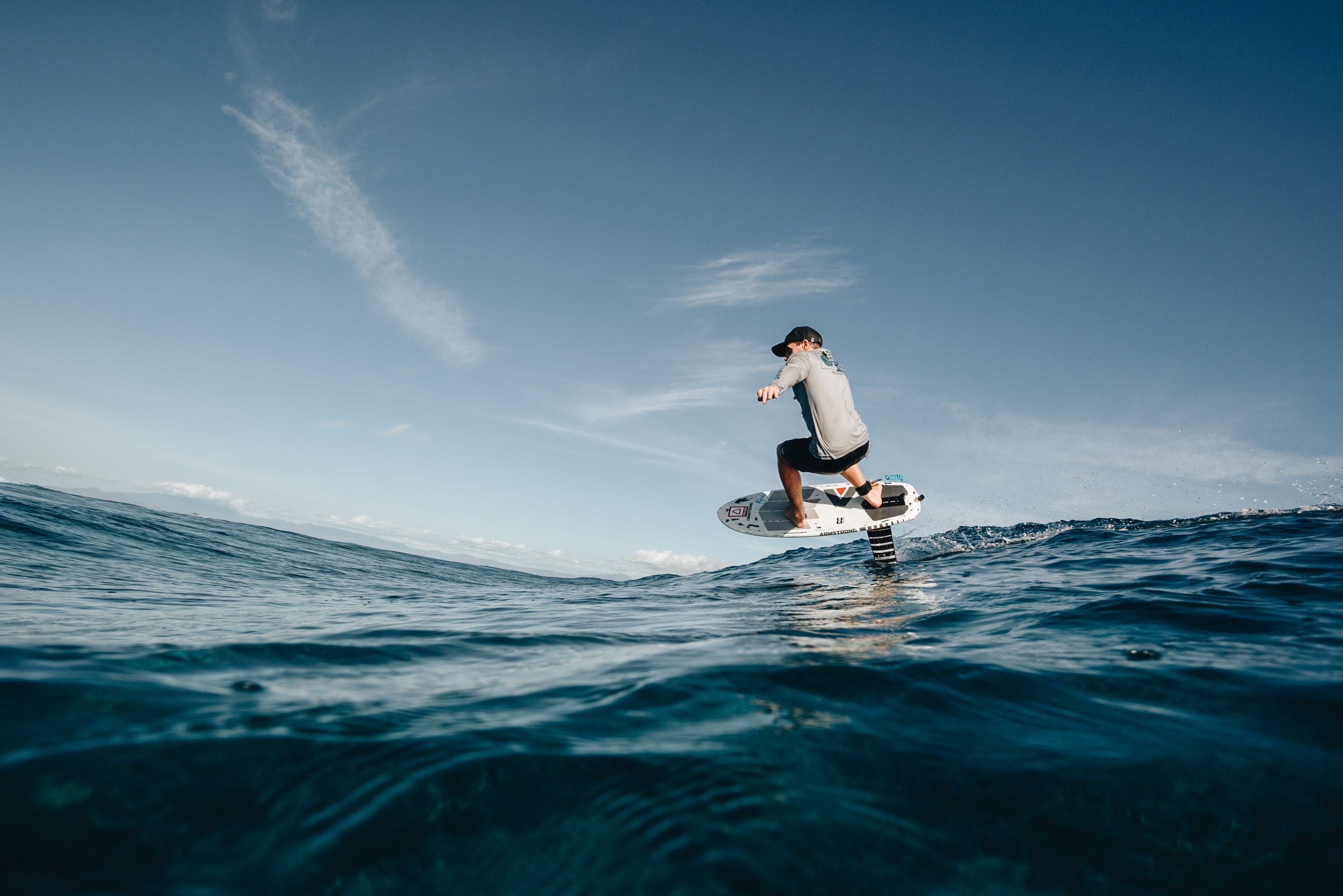



A parawing is not simply a small wing with a new name. It is a purpose-built tool for getting onto foil, packing away cleanly, then letting the ocean energy do the work. That is why a useful parawing kite comparison starts with your session goal, not the biggest stated wind range or the flashiest colourway.
For Australian downwind foilers, the right choice can turn a bumpy wind swell run into a session where you connect bumps, manage the wing confidently and actually enjoy the pack-down. The wrong choice can mean overpowered launches, a wing that is hard to stow, or too little pull to get a larger foil board moving. At Stoked on Foiling, we look at the whole setup: rider weight, board volume, foil lift, local wind strength and how you want to ride once you are up.
What matters in a parawing kite comparison
Parawings share the same broad job, but their personalities can be very different. Some are tuned for easy, predictable power and are a sensible choice for riders learning the discipline. Others favour a compact pack-down, light bar pressure and crisp steering for experienced downwind riders who want to use the wing briefly, then forget it is there.
The key is not to hunt for one universal winner. A small, windy runner behind a point break asks different things of a parawing than a long open-ocean downwinder with uneven gusts and a heavy rider on a high-aspect foil.
Power delivery and low-end grunt
A parawing needs enough drive to get you to take-off speed without turning the launch into a wrestling match. Models with deeper profiles and more low-end grunt tend to suit larger riders, lower-volume boards, bigger foils, or lighter winds. They provide reassuring pull when the water is messy and your first few pumps need help.
The trade-off is that strong bottom-end power can feel more physical in gusts. If you mostly ride in 20-plus knots and want a compact wing for a quick launch before stowing it, a flatter, more efficient design may feel cleaner. It will generally need more apparent wind or a more committed pumping technique, but it is less likely to feel like it is dragging you down the face once you are flying.
Think about the wind you actually ride, not the ideal forecast. Coastal northerlies, squally storm winds and breezy summer afternoons can all create very different launch conditions. A wing that gets you going in a marginal 12-knot patch may be a handful when the gusts push well beyond that.
Handling, steering and bar feel
The control bar is your connection to the wing, so handling deserves more attention than a spec sheet can give it. Some parawings offer direct steering with immediate response. Others have a more progressive feel, where steering builds smoothly as you load the lines. Neither approach is automatically better.
Direct steering suits riders who already have solid foil control and want to position the wing quickly while launching. A progressive response can be more forgiving when you are learning to manage pitch, foil acceleration and the parawing at once. Bar pressure also matters. Light pressure reduces fatigue on longer runs, while a touch more feedback helps newer riders know where the wing is sitting without constantly looking up.
Check the trim system as well. A usable trim adjustment lets you settle the wing as wind strength changes. It should be easy to reach, simple to understand and not create excess line mess when it is time to stow.
Pack-down behaviour is the real test
Every parawing can be packed away. The meaningful difference is how calmly and consistently it does it when you are bouncing across wind swell with saltwater on your hands.
A good pack-down design gathers into a manageable bundle without requiring perfect technique. The wing should stay controlled as you bring it in, and the stowed package should sit securely on the board, in your hands or in its dedicated storage solution. Bulky fabric, complicated bridles or an awkward final wrap can quickly become frustrating when you are trying to link runners.
For many riders, this is the deciding factor in a parawing kite comparison. If your goal is to surf swells with nothing pulling on you, a model that launches brilliantly but stows poorly is not the right tool. Look for a wing with an intuitive retrieval process and practise it in flat water before taking it into a proper downwind run.
Stability while riding and when parked
Parawings are often used in turbulent wind close to the water. Stability is therefore about more than the wing staying open. You want predictable behaviour when sheeted in for power, when steering through a launch, and when the wing is partially depowered as you prepare to pack it down.
A highly stable wing is usually the friendlier option for a first parawing. It buys you time to sort out your stance and foil acceleration. More performance-focused designs may feel livelier and more efficient, but they can require cleaner inputs. If you are transitioning from wing foiling, remember that a parawing is not held on a rigid leading edge. Small changes in line tension and body position have a bigger effect.
Size selection: do not buy only by square metres
Parawing size is usually the first question, and it is the one most likely to produce an expensive mistake. Square metres matter, but they are only one part of the equation. A powerful 4 m parawing can overlap substantially with a more efficient 5 m design, depending on its profile, bridle layout and intended use.
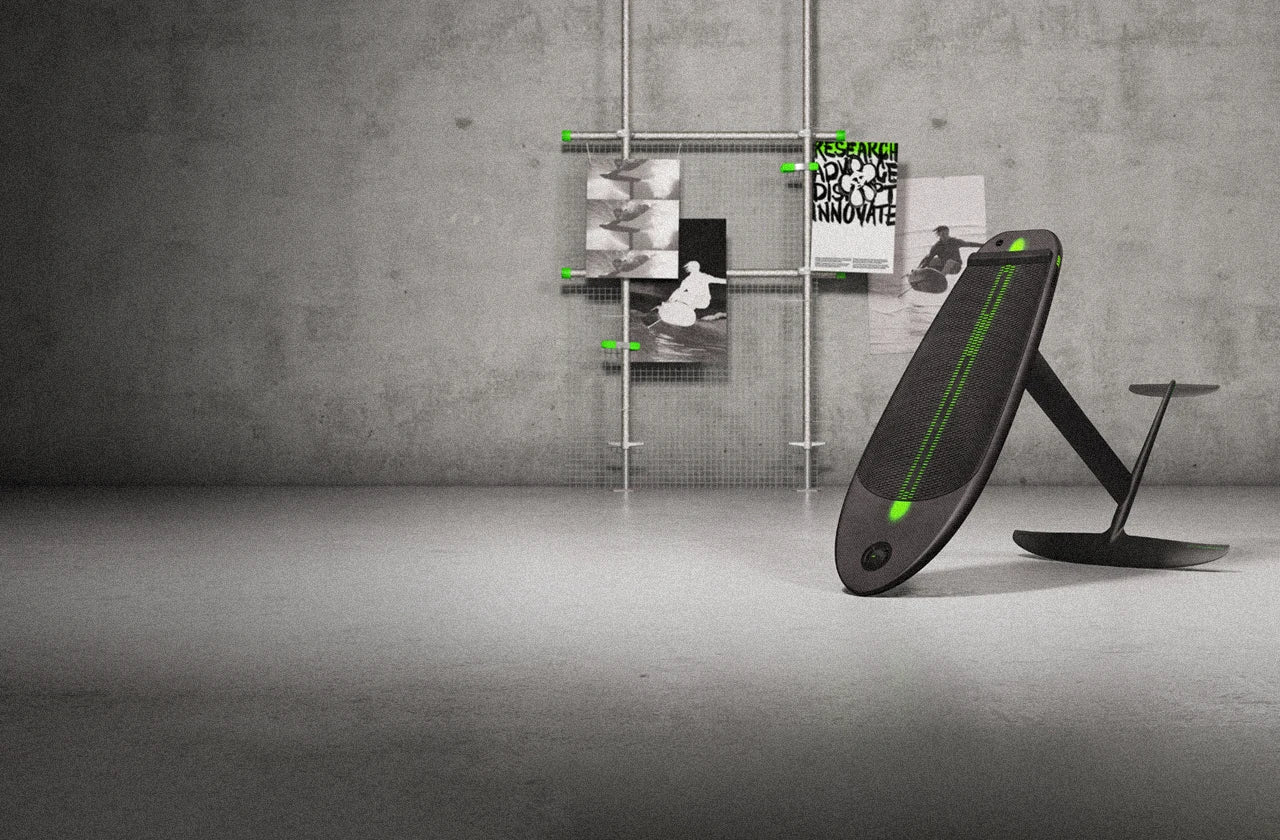
As a broad starting point, lighter riders on efficient downwind foil gear may use smaller sizes once the wind is established. Heavier riders, riders on lower-volume boards, or anyone launching in lighter winds will usually appreciate more area. Your foil is crucial here. A large, early-lifting front wing lowers the power required to get moving, while a smaller, faster foil asks more from both your pumping and your parawing.
One size can be enough if you only ride a narrow wind range and are happy choosing your days. A two-wing quiver makes more sense for riders who regularly deal with changing conditions. In that case, avoid buying two sizes that sit too close together. Choose a clear light-wind option and a smaller, high-wind option so each wing earns its place in the bag.
Match the parawing to your riding style
Your preferred type of downwinding should steer the decision. Riders who want to launch near shore, stow immediately and chase unassisted swell energy should put pack-down size, low drag and stability first. They do not need a wing that feels like a traditional wing foil wing held overhead for long periods.
Riders covering distance, making crossings or using the parawing repeatedly through a session may value range, comfort and easy relaunch behaviour more highly. A slightly larger or more powerful wing can be worthwhile if it keeps your energy for foiling rather than repeated attempts to get started.
There is also a progression path. Your first parawing should make the core skills approachable: controlling the bar, generating power, getting on foil, retrieving the wing and staying composed. Once those movements are automatic, a more compact, higher-performance design can make your sessions feel less encumbered.
The setup details that change the result
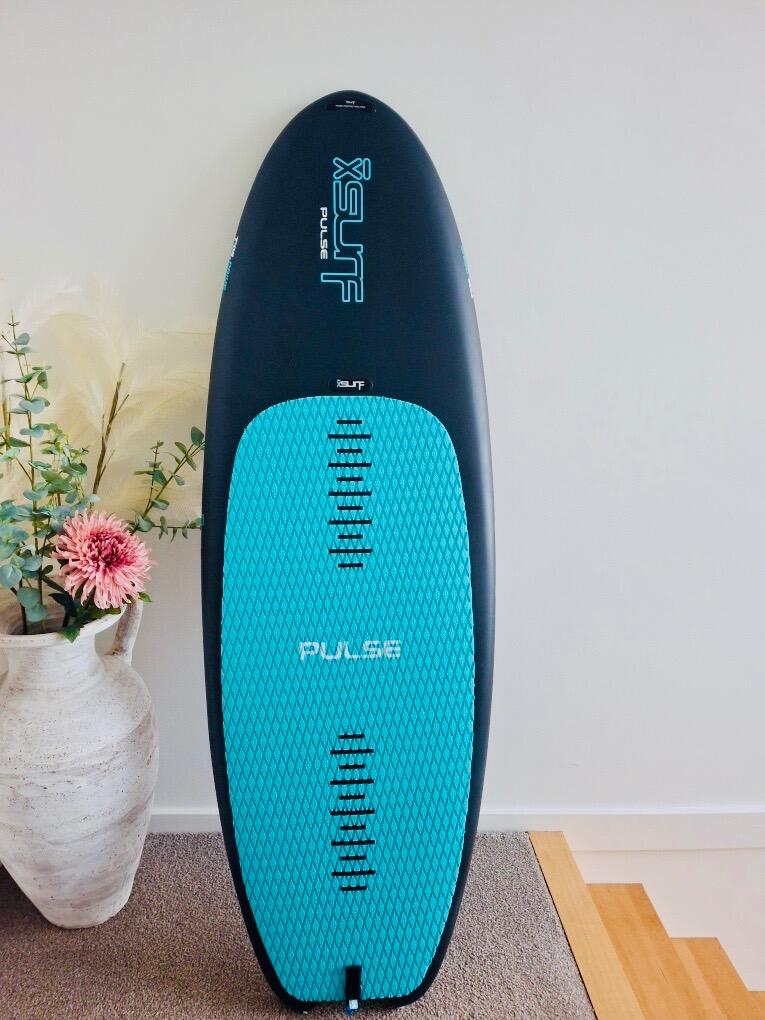
Do not compare parawings in isolation. Line length influences how readily the wing finds cleaner wind, how it turns and how much space you need to launch. A board with a secure deck pad, sensible leash arrangement and enough volume for your skill level makes the start far less stressful. Your foil needs to lift early enough that you are not holding maximum power for too long.
Safety systems deserve the same attention. Know exactly what happens when you release the wing, how the leash is attached, and whether your chosen setup can be recovered in the conditions you ride. Practise every part of this close to shore before heading into open water. A downwinder is only a good session when you have a reliable launch, a clear route, a landing plan and a mate or support crew where conditions warrant it.
A better way to choose
Before settling on a model, be honest about your take-off consistency. If you can already pump onto foil confidently, you can prioritise compactness and efficiency. If you need the parawing to contribute more of the work, choose dependable low-end pull and a stable, forgiving feel.
Also consider where you will use it most. A rider regularly launching in gusty Queensland coastal wind may benefit from a different balance of power and control than someone riding steady sea breezes on long, open runs. There is no prize for owning the smallest wing if it leaves you swimming after marginal starts.
The best parawing is the one that gets you flying without drama, packs away when you ask it to, and leaves your attention on the next runner rather than the gear in your hands. Get that balance right and every downwind session has a much better chance of becoming a seriously stoked foil day.