


A prone foil vs SUP foil decision usually comes down to one moment: how you plan to get flying. If you want to catch a steep little runner, pop up fast and surf it with a compact board under your feet, prone is hard to beat. If you want to paddle into softer waves, chase open-ocean bumps or create more opportunities on lighter days, a SUP foil gives you a very different doorway into the same addictive feeling.
Neither is automatically the better choice. The right call depends on your local break, paddle fitness, surfing background and the type of sessions that make you properly stoked.
Prone foil vs SUP foil: the real difference
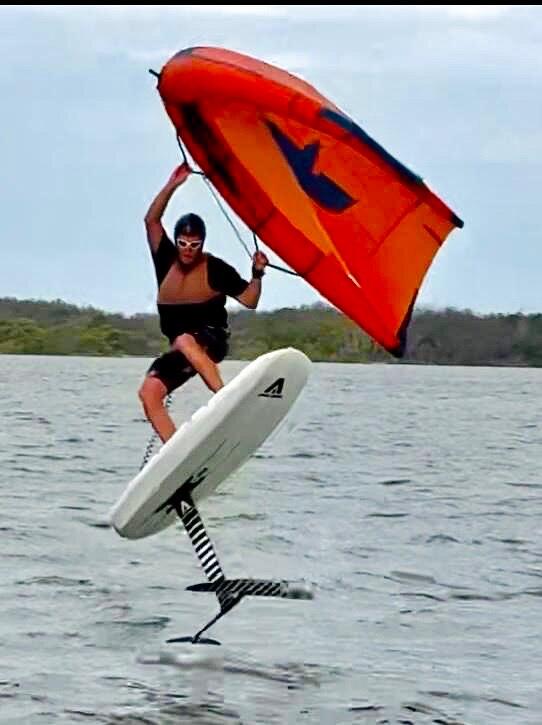
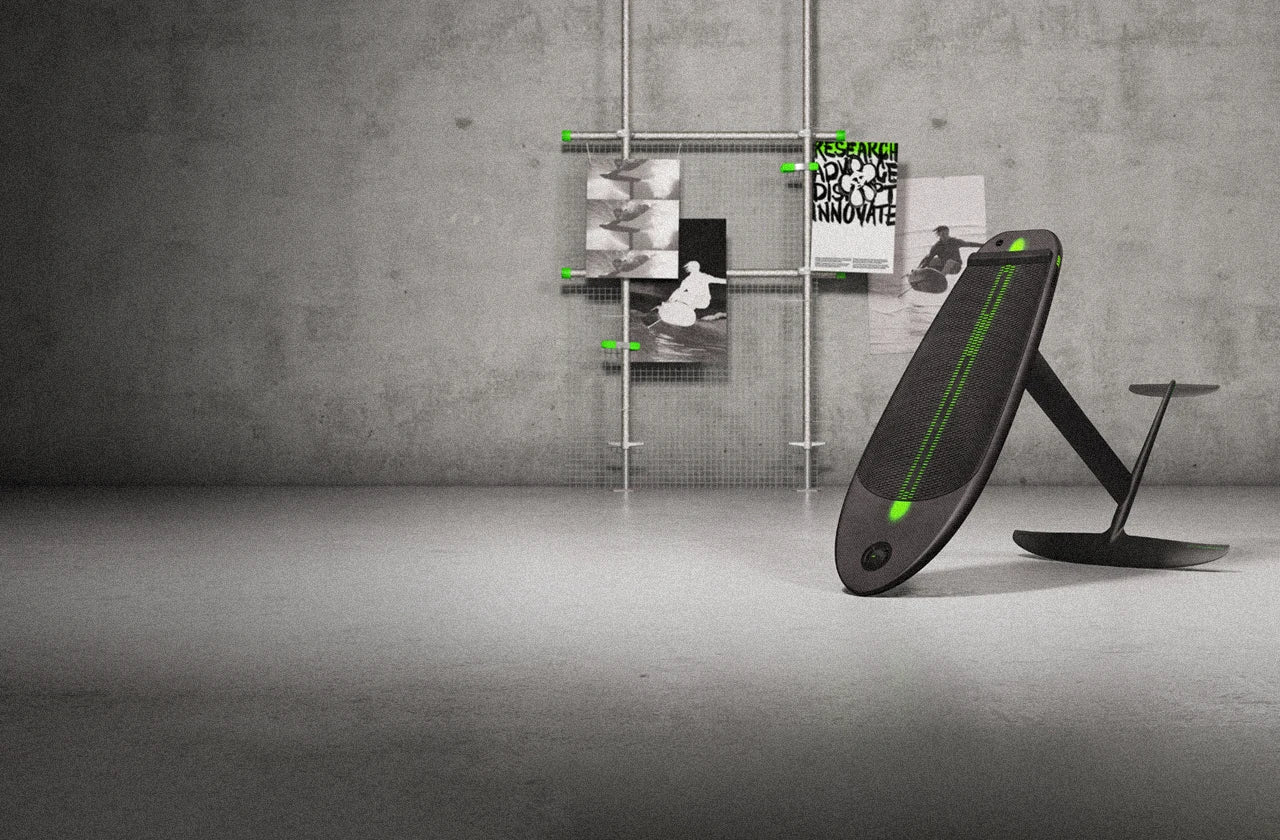
The foil itself does not know whether you arrived standing or lying down. Both disciplines use the same fundamental system: a front wing, mast, fuselage, stabiliser and board. The meaningful differences are in board volume, outline, paddling position and how much speed you can generate before take-off.
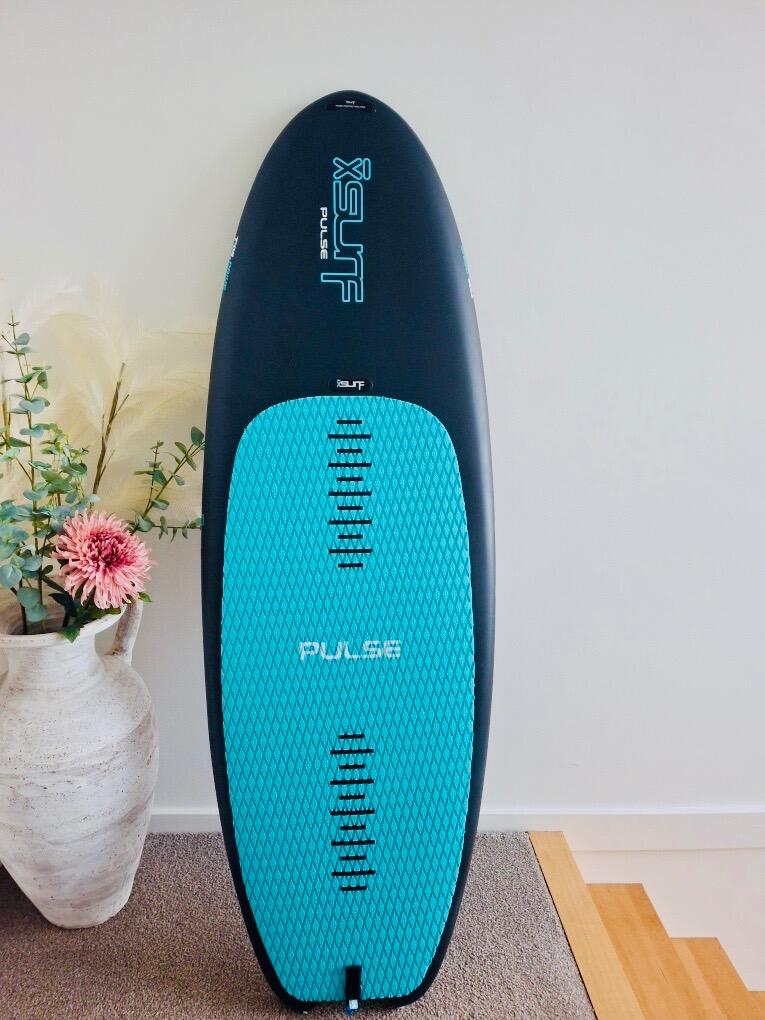
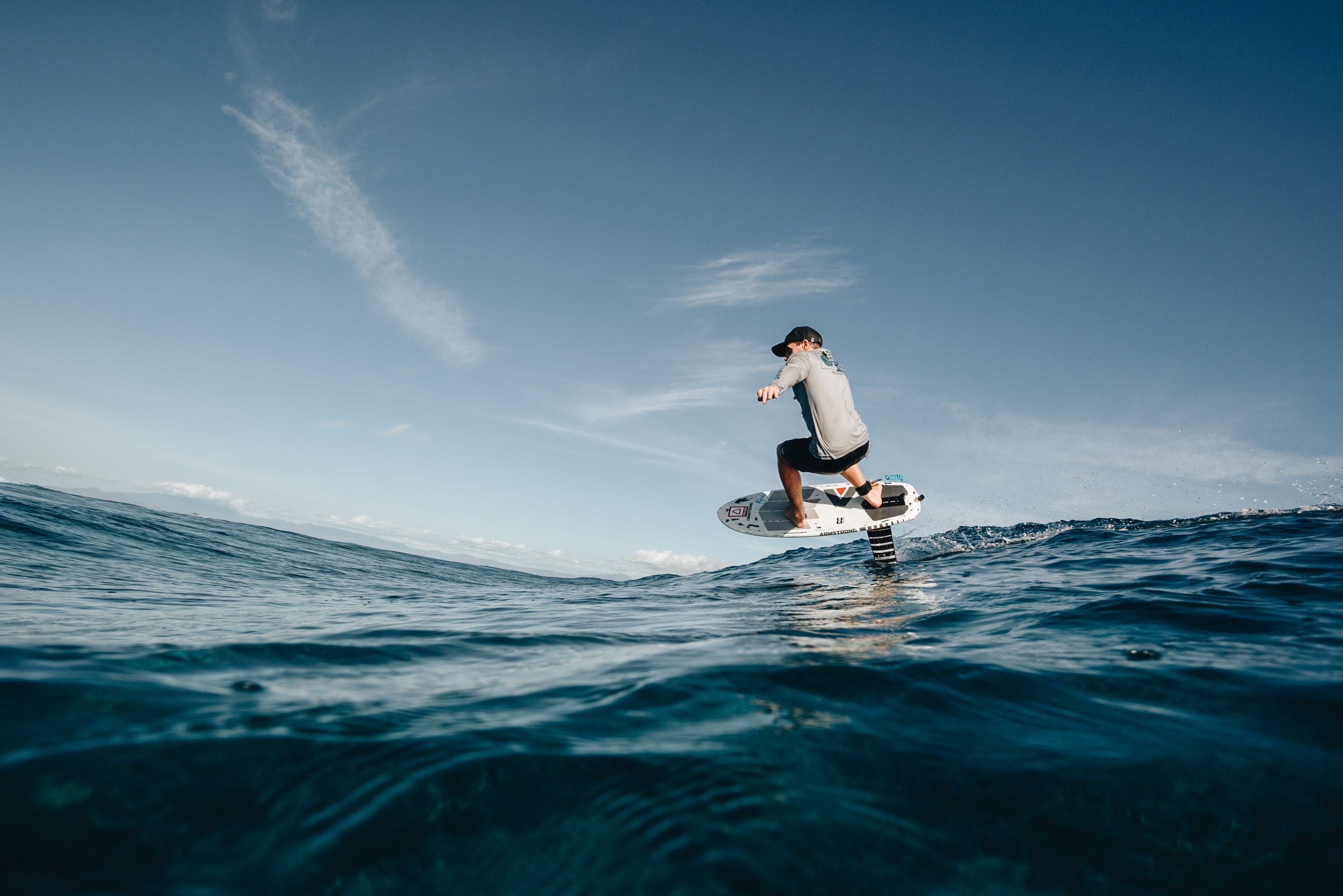
A prone foil board is ridden lying down while paddling for waves, then popped to your feet before or as the foil lifts. It is generally lower volume, shorter and narrower than a SUP foil board. That makes it easier to throw around, pump and manage in critical surf, but it demands better timing and a stronger burst of paddling.
A SUP foil board is paddled standing with a foil paddle. It carries substantially more volume, especially for riders who are still learning, and lets you build speed earlier. You can access waves further out, link small runners and, in the right conditions, glide into bumps that would be almost impossible to catch prone.
The trade-off is obvious once you carry each board to the water. A prone board feels compact and surfy. A SUP foil board is bigger, heavier and more affected by wind, but its added float and paddle power can turn an average session into a rideable one.
When a prone foil setup makes more sense
Prone foiling is for riders who want the closest connection to surf foiling. You paddle out, wait for a wave, accelerate hard, get to your feet and fly. On punchy beach breaks, reef runners and clean point waves, that compact approach is magic.
It also suits surfers who already have strong ocean awareness. If you can read a peak, judge a section and pop up quickly, the movement pattern will feel familiar. The foil changes the consequences of your take-off, though. You need to get your weight forward enough to build speed without driving the nose into the water, then manage lift as the wing starts working.
Most prone riders value manoeuvrability. A smaller board has less swing weight through turns and makes pumping between sections feel more direct. Once your technique is dialled, it is easier to carve, breach a tip deliberately, reconnect and keep the ride feeling close to surfing rather than simply travelling above the water.
Prone is not always the fast route to progression. Small, weak or crowded waves can be frustrating. You need to catch the wave before you can fly it, and low-volume boards offer little forgiveness when your take-off is late. For many riders, the hardest part is not riding the foil. It is earning enough speed to make the foil lift cleanly.
Board volume for prone is highly personal. Experienced surfers often ride volumes close to, or below, body weight in litres, depending on the board shape and conditions. Newer prone riders commonly benefit from a little more float than their ego suggests. Extra volume can make paddling, getting to knees and popping up less frantic, without turning the board into a barge.
When a SUP foil setup is the better call
SUP foiling opens up conditions that prone riders often paddle past. The ability to stand and paddle means you can generate speed before a wave steepens. That matters on fat point waves, tiny runners, outer banks and ocean swells where the energy is spread over a long distance.
It is also the natural platform for downwind SUP foiling. In that discipline, the goal is not to surf a single breaking wave but to use paddle power, body position and efficient pumping to connect open-ocean bumps. A board needs enough length and glide to release early, while the foil needs efficient lift and a stable, predictable feel at speed.
For learners, a SUP foil can be more approachable in one sense and more demanding in another. The larger board offers a stable standing platform, so it is easier to practise paddle strokes, trim and controlled acceleration. But standing with a paddle while managing a foil underneath is a full-body skill. Chop, side wind and a board that is too small can make the learning curve spicy very quickly.
As a starting point, many first-time SUP foilers choose a board with enough litres to float them comfortably while standing still. A board around 20 to 40 litres above rider weight is a common learning range, though water conditions, balance and board dimensions matter just as much as the number on the rail. A capable paddler on sheltered water may go smaller. A rider learning in wind chop should give themselves more stability.
A SUP foil board can occasionally be paddled prone, especially if it is not overly long or wide, but it rarely feels as efficient or lively as a dedicated prone board. It is possible, not ideal. The same goes in reverse: trying to stand-up paddle a compact prone board is usually an exercise in swimming and swearing.
Does the foil wing need to change?
Sometimes, but do not assume you need two completely separate foil systems. The front wing choice should match your weight, skill level, conditions and intended riding style more than the label on the board.
For prone surf foiling, riders often favour a wing with enough low-end lift to catch waves but a responsive profile that carves and pumps well. If the surf has decent push, a smaller, faster wing can feel brilliant. In weak waves, a larger wing may be the difference between linking sections and dropping out every few seconds.
SUP foiling can reward a little more low-speed efficiency, particularly while learning or chasing softer swell. A larger front wing gets flying earlier and gives more time to sort out your stance. As you improve, a higher-aspect wing with better glide can make pumping and bump connections far more efficient. Downwind riders often prioritise glide, controllable lift and a wing that accelerates without feeling twitchy.
Mast length is another practical consideration. A shorter mast can make early prone sessions less intimidating and is useful in shallow or fast-breaking surf. A medium-length mast is often a versatile all-round choice. For SUP surfing and downwind riding, extra mast length gives more room to manage pitch changes and ride through surface texture, provided your local launch and break have the depth for it.
Do not overlook the stabiliser and tail-shim settings. A setup that feels settled and friendly for a first SUP session may feel too locked-in once you are trying to carve a prone foil board in punchy surf. Small adjustments can change pumping effort, pitch sensitivity and top-end control. This is where compatible gear and clear setup advice save plenty of trial-and-error.
Choose for your water, not just your ambition
Australian conditions vary wildly. A rider with access to clean Gold Coast points may get plenty from a prone foil setup. Someone dealing with long-period outer-bank runners, river-mouth bumps or open-ocean downwind runs may find a SUP foil gets used more often. Bundaberg-style wind swell can also make a paddle-assisted approach appealing when the waves are soft and spread out.
Think honestly about your current skills. A confident shortboard surfer with limited paddleboard experience may progress faster prone in suitable waves. A strong SUP paddler or downwinder may feel at home on a larger foil board from day one. If you are new to both surfing and foiling, avoid choosing the smallest board because it looks high-performance. More volume and a foil with gentle lift usually produce more flights, and more flights build the skills that let you size down later.
There is also the question of quiver strategy. If your main goal is surf foiling, invest first in a prone board and a versatile foil that covers your everyday waves. If your sessions are dictated by marginal swell or you want to explore downwind, SUP surfing and foil paddling, a SUP board may offer more water time. Riders who end up committed to both often share a foil platform across two boards, swapping front wings or tails as their sessions demand.
Set yourself up for better first sessions
Whichever route you choose, begin in a clear area with adequate depth and forgiving water. Learn where the foil sits relative to your feet before heading into a crowded lineup. Wear impact protection suited to the conditions, use an appropriate leash system for the discipline and check every screw before launching. Foil hardware should be tight, clean and installed with the correct tool, not overtightened into damaged threads.
Most importantly, choose gear that gives you a realistic chance of success in the waves you actually ride. At Stoked on Foiling, that means matching board volume, foil area, mast length and tail setup as a system rather than buying isolated parts based on a spec sheet.
The best board is the one that gets you flying often enough to learn. Pick the craft that matches your break, paddle out with patience, and let every extra glide point you towards the next session.