

The most expensive foiling mistake is buying a collection of good-looking parts that do not suit each other, your conditions or the way you want to ride. Well-chosen foil packages remove that guesswork. They give you a complete, compatible starting point that gets you on the water sooner, while leaving enough room to progress once those first long flights turn into confident turns, tacks and downwind runs.
A package should never mean a one-size-fits-all bundle. Your ideal set-up depends on whether you are learning to wing foil in choppy bay conditions, paddling into small runners, riding behind a boat, or chasing powered-up surf sessions. The right package is the one that makes your next stage of progression feel achievable rather than twitchy, frustrating or unnecessarily expensive.
Why Foil Packages Are Worth Considering
Foiling gear is modular by design. That is brilliant once you understand wings, fuselages, mast lengths, board volume and stabiliser tuning. At the start, though, every option can make a simple purchase feel like a technical project. A curated package narrows the variables and ensures the major components are designed to work together.
The benefit is not just convenience. A matched front wing and stabiliser will deliver predictable pitch control. A board with enough volume lets you concentrate on stance and wing handling instead of fighting to stand. A mast length chosen for your launch spot and skill level can prevent countless awkward breaches and crashes. Those details shape how quickly you learn.
There is also value in buying with a progression plan. A beginner does not need the smallest, fastest foil on the rack, but nor should they be locked into equipment they will outgrow after a few weekends. Good foil packages strike a sensible balance: enough lift and stability to build confidence, paired with a platform that still feels lively once your riding improves.
Start With the Discipline, Not the Brand
Premium brands all bring different design philosophies to the water. Some favour early lift and low-speed stability, while others prioritise glide, pump or high-end turning. Rather than starting with a logo or a mate's set-up, start with where and how you actually ride.
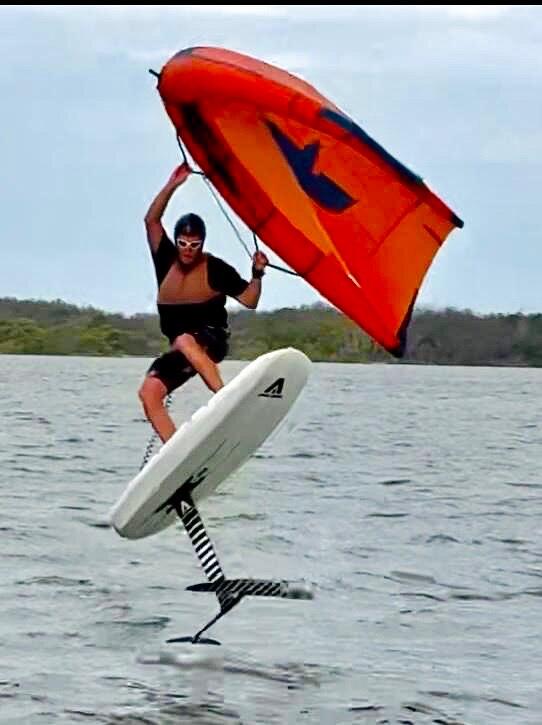
For wing foiling, think about your local wind strength, water state and body weight. A rider learning in moderate Queensland seabreezes generally benefits from a stable board, a larger front wing and a wing size that creates usable power without becoming a handful. If you are regularly in stronger wind, the balance shifts towards a smaller wing and a more manageable foil surface area.
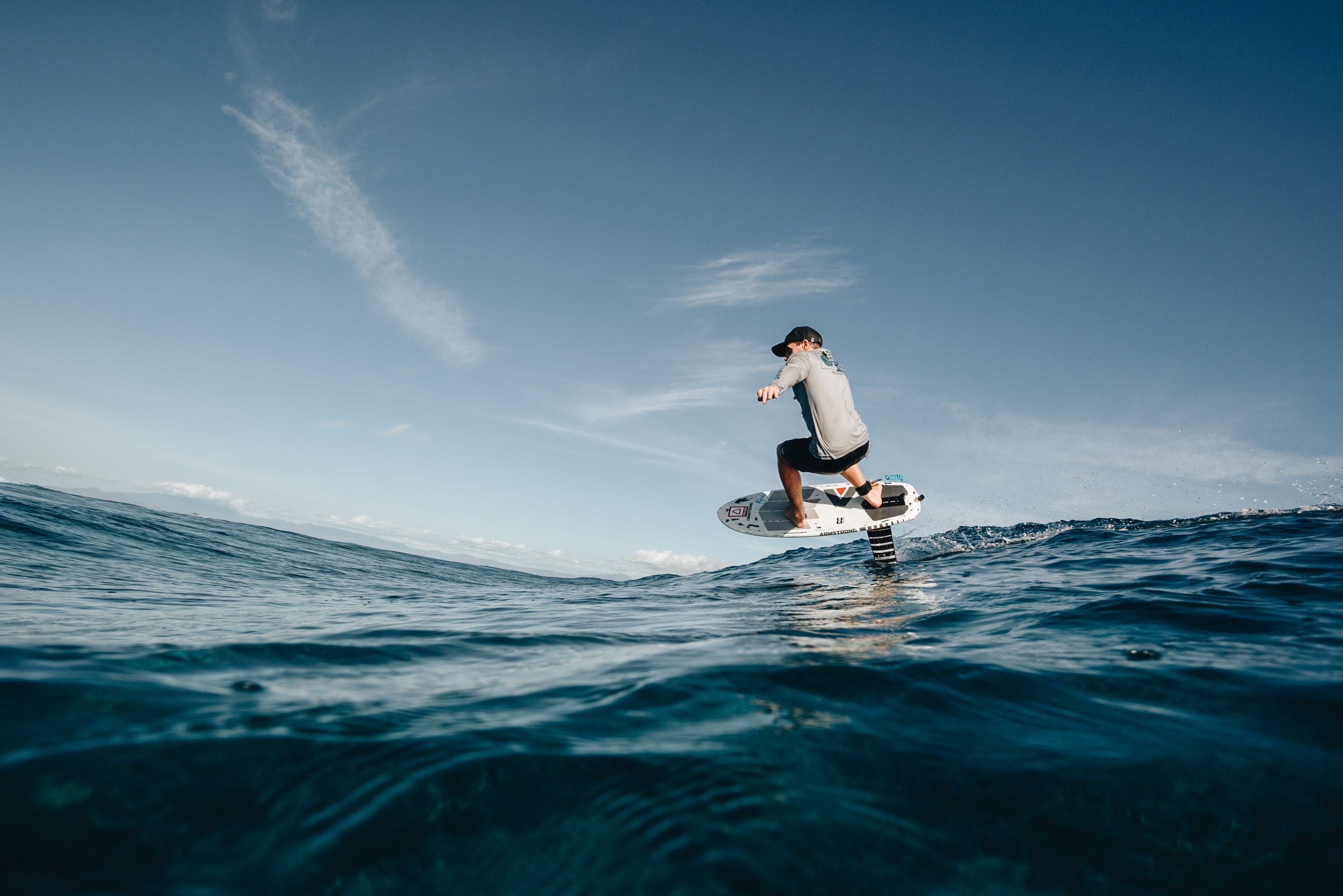
Prone and SUP foilers need to prioritise paddle power, take-off speed and the type of waves they ride. A foil that feels brilliant in a clean, fast point break may be too demanding in soft beach-break runners. Dock-start and wake riders often place more value on pump efficiency and glide, while tow riders can use smaller, faster foils because the boat or ski supplies the initial speed.
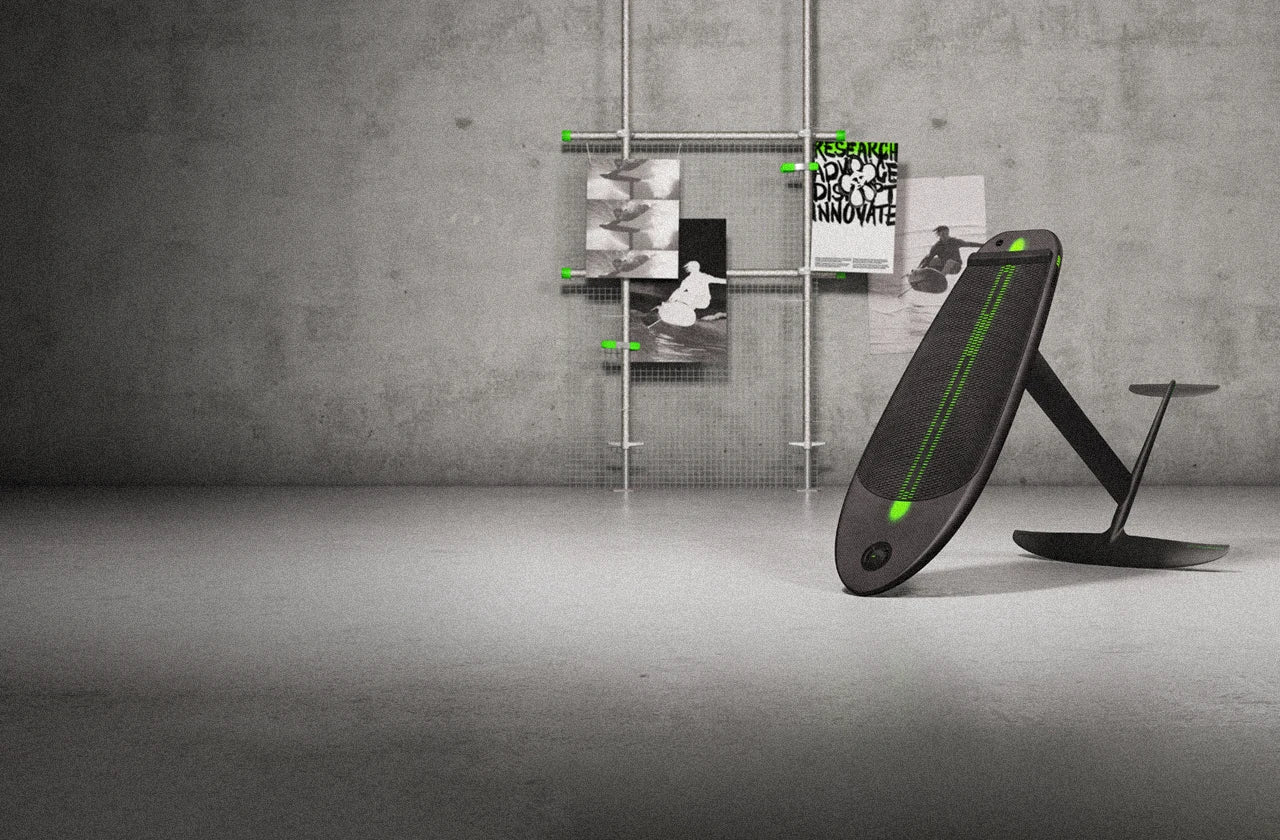
Power-assist set-ups bring another layer of choice. E-foil assist can dramatically increase your number of rides, but battery placement, board size, foil choice and your preferred use all matter. A package for assisted prone riding is not necessarily the right package for flatwater exploration or wake-style carving.
Be honest about your real conditions
It is tempting to buy for that dream trip or the occasional pumping day. Most riders get better results by selecting for their regular spot. Consider the wind you see most often, whether your launch is deep or shallow, how rough the water becomes and how much carrying distance is involved. A bigger board may not look as sharp on the beach, but it can mean far more water time during the learning phase.
Your size and background matter too. A 95 kg rider learning from scratch needs a different volume and foil area from a 65 kg rider with years of kite or surf experience. Previous watersports experience helps, particularly with board control and reading wind, but it does not cancel out the need for enough lift and stability.
What a Balanced Beginner Package Looks Like
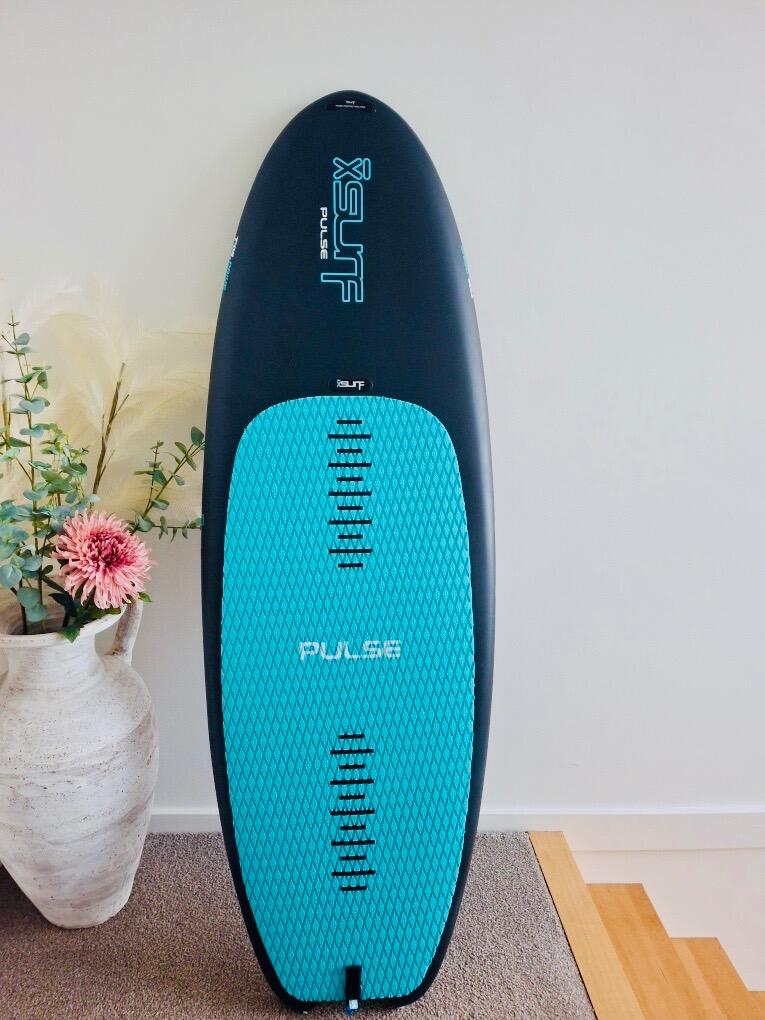
For most new wing foilers, the board and front wing deserve the most attention. The board needs sufficient volume to get you standing comfortably and to make starts repeatable. More volume is usually your friend early on, especially in choppy water. It is easier to move to a smaller board later than to learn on one that constantly sinks beneath you.
The front wing should lift at low speed without feeling vague or unwilling to turn. Larger surface area helps you rise earlier and recover from small speed drops, which makes it ideal for learning. The trade-off is that a large wing has a lower comfortable top speed and can feel less reactive as your skills build. That is not a flaw - it is the reason it makes those first flights less intimidating.
Mast length is another practical decision. A shorter mast reduces the consequences of height mistakes and suits shallow launch areas, while a longer mast gives more room to absorb chop and hold a turn without the wingtip breaking the surface. Many riders start shorter, then move longer as their control improves. If your local spot is shallow or you launch through shorebreak, this choice deserves proper thought.
The wing in your hands must match your likely wind range and physical comfort. Going too large can make learning difficult because a huge canopy is heavier, catches more gusts and is harder to position. Going too small leaves you underpowered and unable to generate enough board speed. For riders who regularly see a broad range of conditions, two wing sizes often becomes the sweet spot, but one well-selected wing is a smart place to begin.
How Foil Packages Support Intermediate Riders
Intermediate riders are usually no longer asking, “Will I get up?” They want cleaner gybes, better upwind angles, more glide through lulls or a set-up that feels quicker in turns. This is where a package built around a modular system becomes valuable.
You might retain your mast, fuselage and board while adding a smaller front wing for stronger wind or faster surf. Or you may keep your larger wing for light days and add a mid-aspect option that rolls from rail to rail more freely. Because the parts share a system, you can make a targeted upgrade instead of replacing everything at once.
Do not rush the change purely because advanced gear looks exciting. High-aspect and smaller foils can offer exceptional glide and speed, but they tend to demand more accurate pitch control, cleaner take-offs and better speed management. If you are still regularly crashing on starts or struggling through gybes, more time on a forgiving foil may produce faster progression than an aggressive upgrade.
Compatibility is more than bolt patterns
Components may physically fit, yet still create a riding feel that is poorly balanced. Front wings, stabilisers and fuselage lengths affect pitch stability, turning radius and the pressure under your front foot. A package should be considered as a tuned system, not simply a board plus any foil that can be bolted underneath.
Pay attention to the practical side as well. Check whether the package includes the required hardware, board bag, foil covers, leash and wing leash. These may sound like minor extras, but missing hardware on a windy weekend is a quick way to stay on the beach. Protection is worth considering too, particularly when premium carbon gear is travelling in the back of a ute or being carried over rough ground.
Getting the Most From Your First Set-Up
Once your package arrives, take the time to assemble it carefully. Use the correct hardware, apply the recommended grease or anti-seize where appropriate, and tighten bolts evenly. Check them again after your first few sessions. Foiling places real loads on connections, and a quick pre-session inspection should become routine.
Keep your first sessions simple. Choose a protected location with adequate depth, steady wind and plenty of room downwind. Focus on board speed, a low and controlled take-off, and short stable flights. Trying to force height or crank sharp turns too early usually leads to breaches. Smooth inputs and repeatable starts build the foundations that make everything else feel easier.
At Stoked on Foiling, the aim is not to sell the biggest package or the most exotic foil. It is to help riders choose a set-up that suits their water, their experience and the sessions they want more of. The best foil package is the one that has you checking the forecast, loading the gear and getting properly stoked for another day on the water.